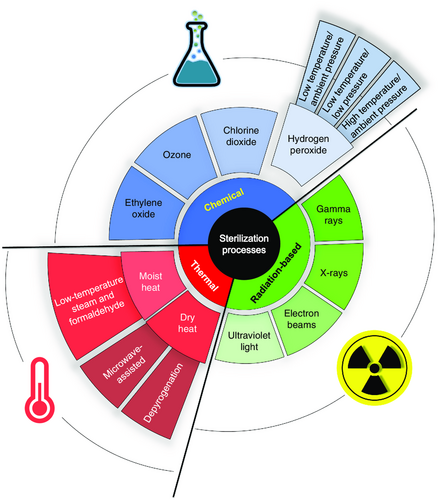
Medical Device Sterilization: Methods Comparison
Choosing the right sterilization process is essential for device integrity and patient safety. Below is a comprehensive guide comparing major techniques with a focus on ETO Sterilization.
| Method | Temperature | Typical Cycle Time | Key Application |
|---|---|---|---|
| ETO | Low (37-63°C) | 12-24 Hours | Heat-sensitive, Complex Lumens |
| Steam | High (121-132°C) | 30-60 Mins | Reusable Metal Tools |
| Plasma | Low (<50°C) | <75 Mins | Electronics, Delicate Scopes |
| Radiation | Ambient | Continuous | Single-use Bulk Plastics |
1. Steam Sterilization (Autoclave)
Steam sterilization uses high-pressure saturated steam to kill microorganisms. It is the oldest and most reliable method for heat-stable items.
Pros
- Nontoxic to staff & environment
- Rapidly microbicidal and cycle time
- Low cost per cycle
Cons
- Damage heat-sensitive devices
- Risk of rusting & potential burns
- Incompatible with most plastics
2. Gas Plasma Sterilization
Uses low-temperature hydrogen peroxide gas plasma. Excellent for moisture-sensitive items.
Pros
- No toxic residuals (Aeration not needed)
- Safe for electronic components
- Simple installation (plug-and-play)
Cons
- Not for cellulose, linens, or liquids
- Restricted lumen length/diameter
- Hydrogen peroxide concentration limits
3. Dry Heat Sterilization
Sterilization via hot air. It is slow and requires high temperatures, making it niche for powders or oils.
4. Radiation (Gamma/E-Beam)
Pros
- Penetrates final sealed packaging
- Continuous processing (High volume)
- No chemical residues
Cons
- High capital investment (Nuclear reactor)
- Can degrade certain plastics/glues
- Complex regulatory licensing
5. Chemical (NO2 / ClO2)
Emerging surface sterilants primarily used for room decontamination and some heat-sensitive items.
6. ETO Sterilization (Ethylene Oxide)
ETO is the gold standard for complex, multi-component medical devices. It is highly effective at low temperatures, ensuring material integrity.
Why Choose ETO?
- Ultimate Compatibility: Validated for 50,000+ devices.
- Deep Penetration: Best for long lumens and complex geometries.
- Material Care: Safe for batteries, delicate optics, and polymers.
Considerations
- Longer cycle (requires aeration)
- Requires specialized gas handling
Optimize Your Sterilization Process Today
Explore Our ETO Sterilization Solutions ?High-performance equipment & consumables for medical manufacturers.