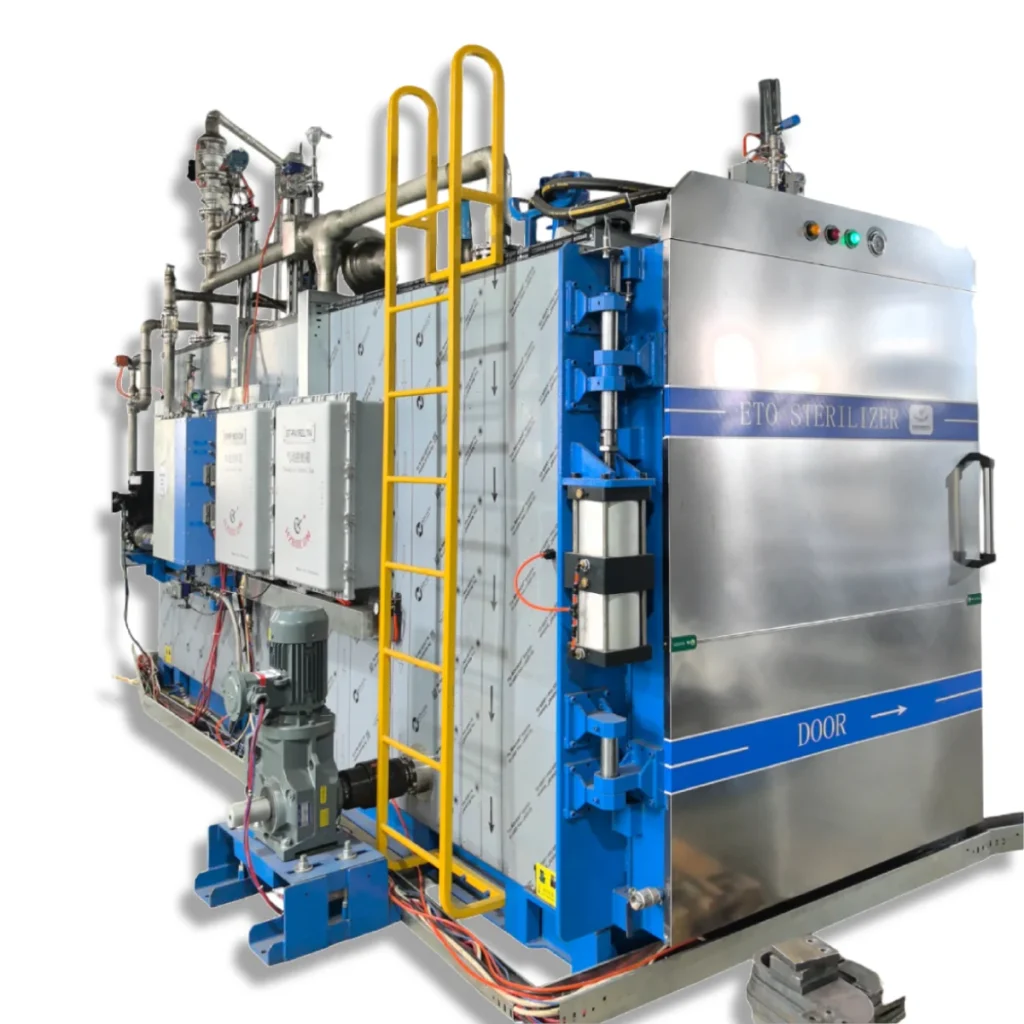
When it comes to ETO gas sterilization, testing is an essential part of ensuring the effectiveness and safety of the sterilization process. ETO GAS STERILIZATION TEST MATERIALS play a key role in verifying that the ethylene oxide (EO) gas is properly sterilizing medical devices, pharmaceuticals, and other sensitive products. This guide will explain how to test ETO gas sterilization test materials, the standards that apply, and the tools you need to ensure successful sterilization cycles.
1. What Are ETO GAS STERILIZATION TEST MATERIALS?
ETO GAS STERILIZATION TEST MATERIALS are materials or devices used to validate and monitor the effectiveness of the ETO gas sterilization process. These materials ensure that the ETO gas penetrates through packaging and reaches all surfaces of the items being sterilized. Testing is essential for ensuring that the sterilization process kills bacteria, viruses, and other pathogens without compromising the integrity of the product.
Types of ETO Gas Sterilization Test Materials:
- Biological Indicators (BIs): These are microorganisms that are more resistant to sterilization than the materials being sterilized. They act as a control to ensure the sterilizer is functioning correctly.
- Chemical Indicators (CIs): These indicators change color when exposed to a certain level of ETO gas and are used to monitor the conditions of the sterilization process.
- Physical Indicators: These include temperature and pressure gauges used during the sterilization cycle.
- Sterilization Pouches and Packs: Specifically designed materials that are used to monitor gas penetration during the process.
2. How to Perform ETO Gas Sterilization Testing
Testing ETO gas sterilization test materials involves a series of steps to ensure that the sterilization process is carried out effectively and safely. The key steps include selection, placement, and validation of test materials in the sterilization chamber.
Step 1: Select the Right ETO Gas Sterilization Test Materials
To test the ETO sterilization process, select biological indicators (BIs) and chemical indicators (CIs) that are specifically designed for EO gas sterilization. The biological indicators should be chosen based on their resistance to ETO gas, and they are often used to test for microbial inactivation.
Step 2: Place the Test Materials Correctly
Place the ETO gas sterilization test materials in areas within the sterilization load where penetration of the gas is most difficult. These areas may include:
- Inside the sterilization packs
- In the center of a load
- In pockets or folds in the sterilization packaging
Make sure the BIs and CIs are placed in a representative sample of the load to ensure the entire batch is properly sterilized.
Step 3: Run the ETO Gas Sterilization Cycle
Start the ETO sterilization cycle, following the specific temperature, time, and humidity conditions for ETO gas sterilization. For effective testing, the cycle should match the parameters used for regular sterilization runs.
Step 4: Post-Sterilization Testing
After the sterilization cycle, examine the ETO gas sterilization test materials:
- For BIs, incubate the biological indicators to check for microbial growth. If growth occurs, this indicates that the sterilization process was not effective.
- For CIs, look for a color change that confirms exposure to the necessary ETO gas concentration.
- For physical indicators, check if the temperature and pressure parameters fall within the required ranges.
3. Standards for Testing ETO Gas Sterilization
There are several standards and guidelines to ensure the correct testing and validation of ETO gas sterilization:
ISO 11135:2014
- ISO 11135 is the international standard for ETO gas sterilization. This standard outlines the requirements for testing the sterilization process, including the validation of sterilizers, monitoring systems, and test materials.
USP (United States Pharmacopeia) <1211>
- USP <1211> provides guidelines for testing sterilization processes, including the use of ETO. It outlines the requirements for biological indicator testing and validation methods for ETO sterilization.
AAMI ST41
- The AAMI ST41 standard focuses on the use of ETO gas in sterilization processes, including the testing and monitoring of the ETO gas sterilization cycle. It specifies testing for both biological and chemical indicators to ensure effective sterilization.
4. Common Challenges in ETO Gas Sterilization Testing
While ETO gas sterilization is highly effective, certain challenges may arise when testing ETO gas sterilization test materials:
1. Incomplete Sterilization
If ETO gas doesn’t properly penetrate the sterilization packaging or hard-to-reach areas, incomplete sterilization can occur. This can be identified through biological indicator failure or chemical indicator discoloration. Ensure proper placement of test materials to avoid this issue.
2. Incorrect ETO Gas Concentration
Insufficient ETO gas concentration can lead to ineffective sterilization. Regular calibration of ETO gas monitors and sterilizer equipment is essential for accurate testing.
3. Overexposure or Contamination
Overexposing the ETO gas sterilization test materials can result in damage to the materials or inaccurate test results. Always follow the prescribed cycle parameters to avoid overexposure.
5. Benefits of ETO Gas Sterilization Testing
1. Ensures Effective Sterilization
By using ETO gas sterilization test materials, you can confirm that the sterilization cycle was effective and that all microorganisms have been inactivated.
2. Compliance with Regulatory Standards
Regular testing ensures compliance with industry regulations and standards, such as ISO 11135, USP <1211>, and AAMI ST41.
3. Continuous Process Monitoring
Testing provides ongoing monitoring of the ETO gas sterilization process, allowing for early detection of any issues with the sterilization cycle.
Conclusion: Importance of Testing ETO Gas Sterilization Test Materials
Testing ETO gas sterilization test materials is an essential step in ensuring the success of ETO gas sterilization. By carefully selecting and placing the appropriate test materials, following regulatory guidelines, and monitoring the sterilization process, you can confirm that your ETO sterilization process is effective and safe.
Regular testing not only ensures compliance with international standards but also helps maintain the highest levels of safety and quality control for medical devices, pharmaceuticals, and other sterilized products.
For more detailed guidance on ETO gas sterilization testing or to purchase test materials, contact a reputable sterilization service provider or equipment supplier.
IF YOU WANT TO KNOW MORE
Phone: +8619975258603
Email: hayley@hzbocon.com
Local Site: Room 1202, Caitong Zhongxin, Xiasha District, Hangzhou City, Zhejiang Province, China
Website: hzbocon.comzjbocon.co