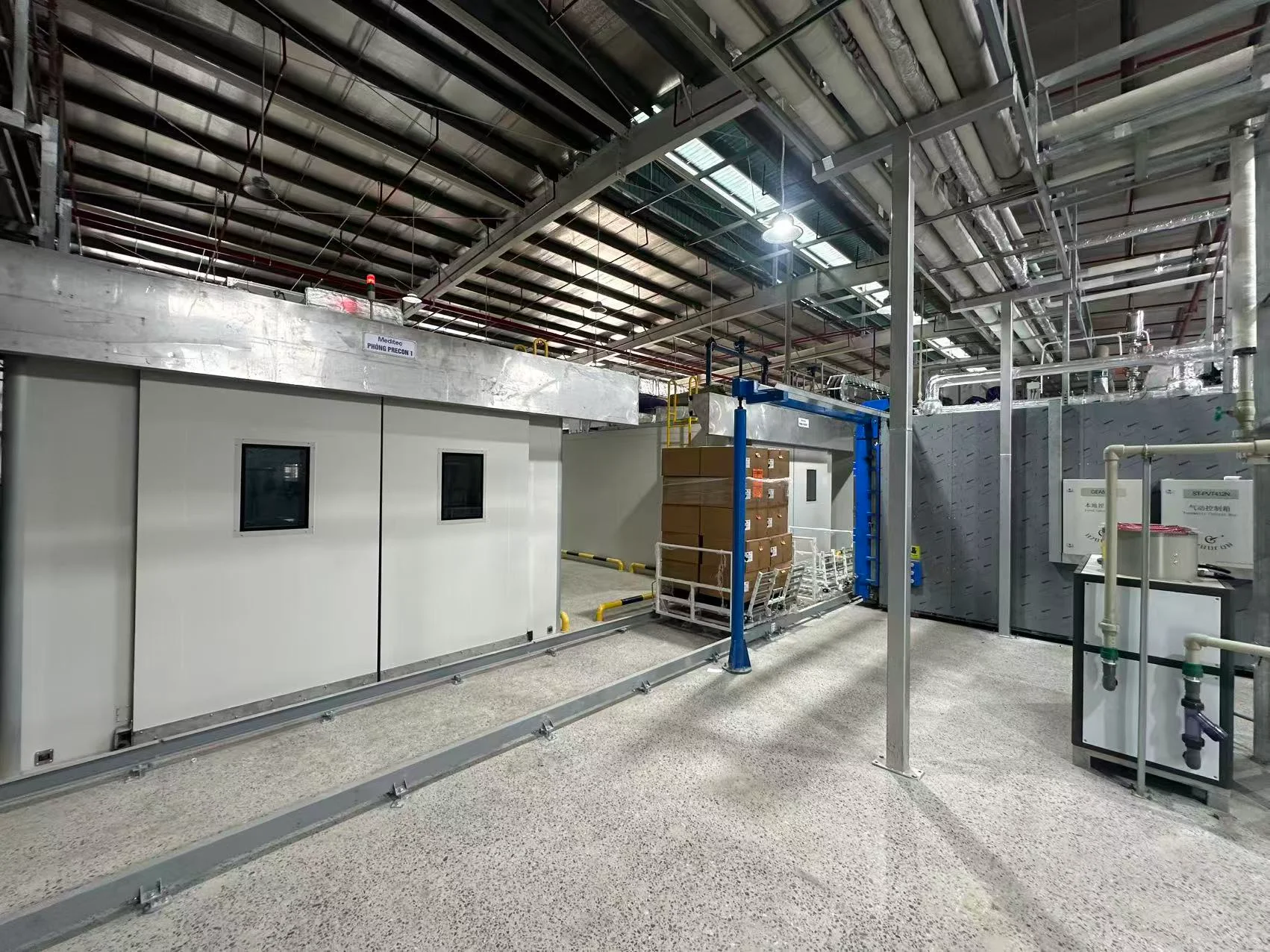
<span class ="tr_" id="tr_58" data-source="" data-srclang="en" data-orig="Parametric Release">Parametric Release</span> & <span class ="tr_" id="tr_59" data-source="" data-srclang="en" data-orig="Sterile Release Protocols | GB/Z 44877-2024 Guide">Sterile Release Protocols | GB/Z 44877-2024 Guide</span>

Parametric Release and Sterile Product Release Protocols
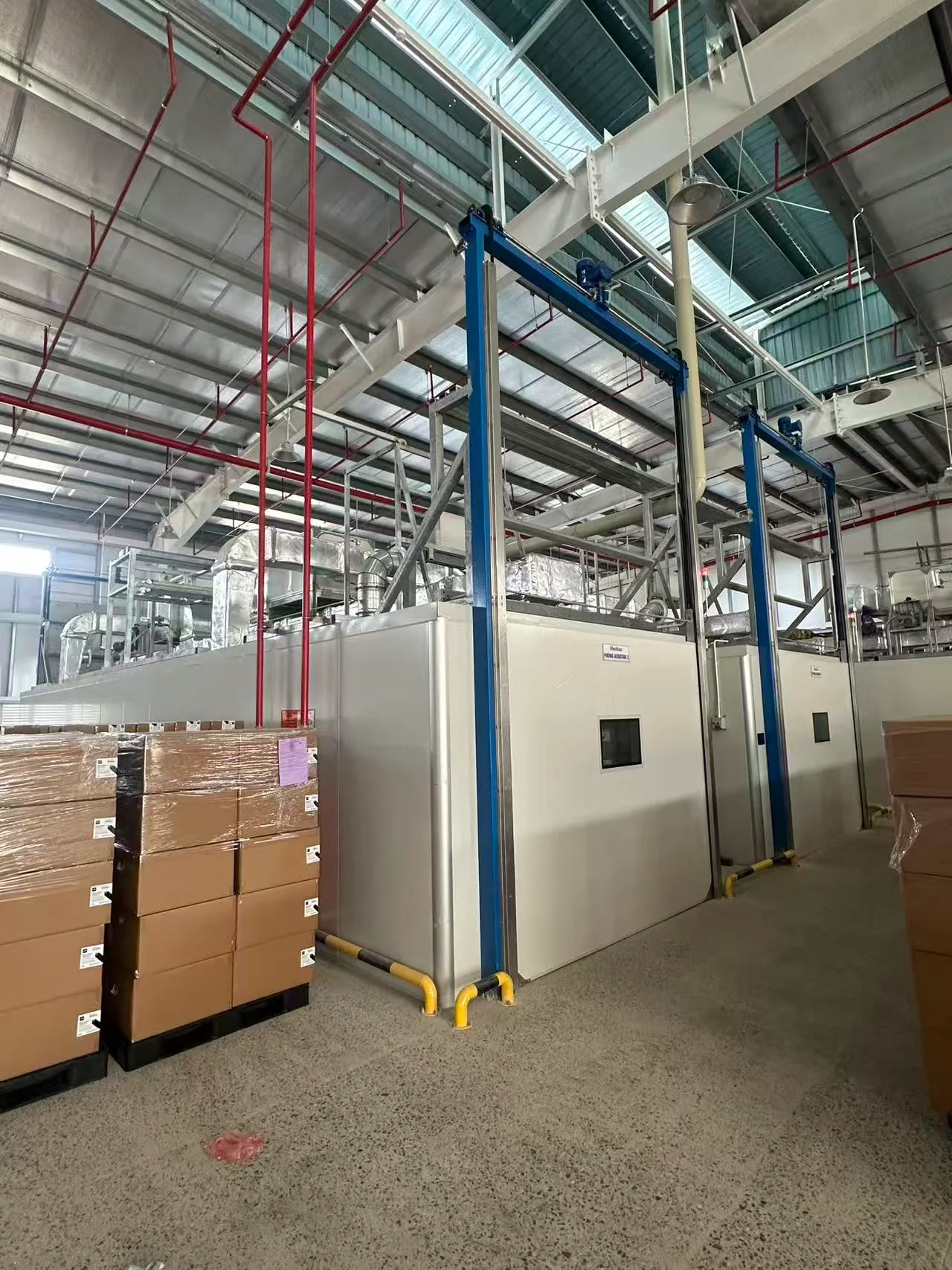
Advanced EO Sterilization Equipment

High-precision EO Sterilization Chamber for Parametric Release Compliance.

1. Monitoring Capabilities for Parametric Release

In accordance with GB/Z 44877-2024 and GB 18279-2023, equipment used for parametric release must exceed standard monitoring capabilities. This includes:
  • Airflow Monitoring: Mandatory installation of air circulation devices and anemometers in pre-conditioning, sterilization, and aeration chambers.
  • Direct Humidity: Real-time measurement during the treatment phase.
  • EO Concentration: Direct measurement at all required intervals during exposure.
  • Dual Temperature Points: At least two independent sensor locations representing the chamber state.

1.1 Sensor Technologies & Calibration
Humidity Measurement
Measured via Capacitance Film (Relative Humidity) or Spectroscopy (Absolute Humidity). Sensors must be calibrated using saturated salt solutions and protected from EO-induced drift through frequent validation or thermal isolation.
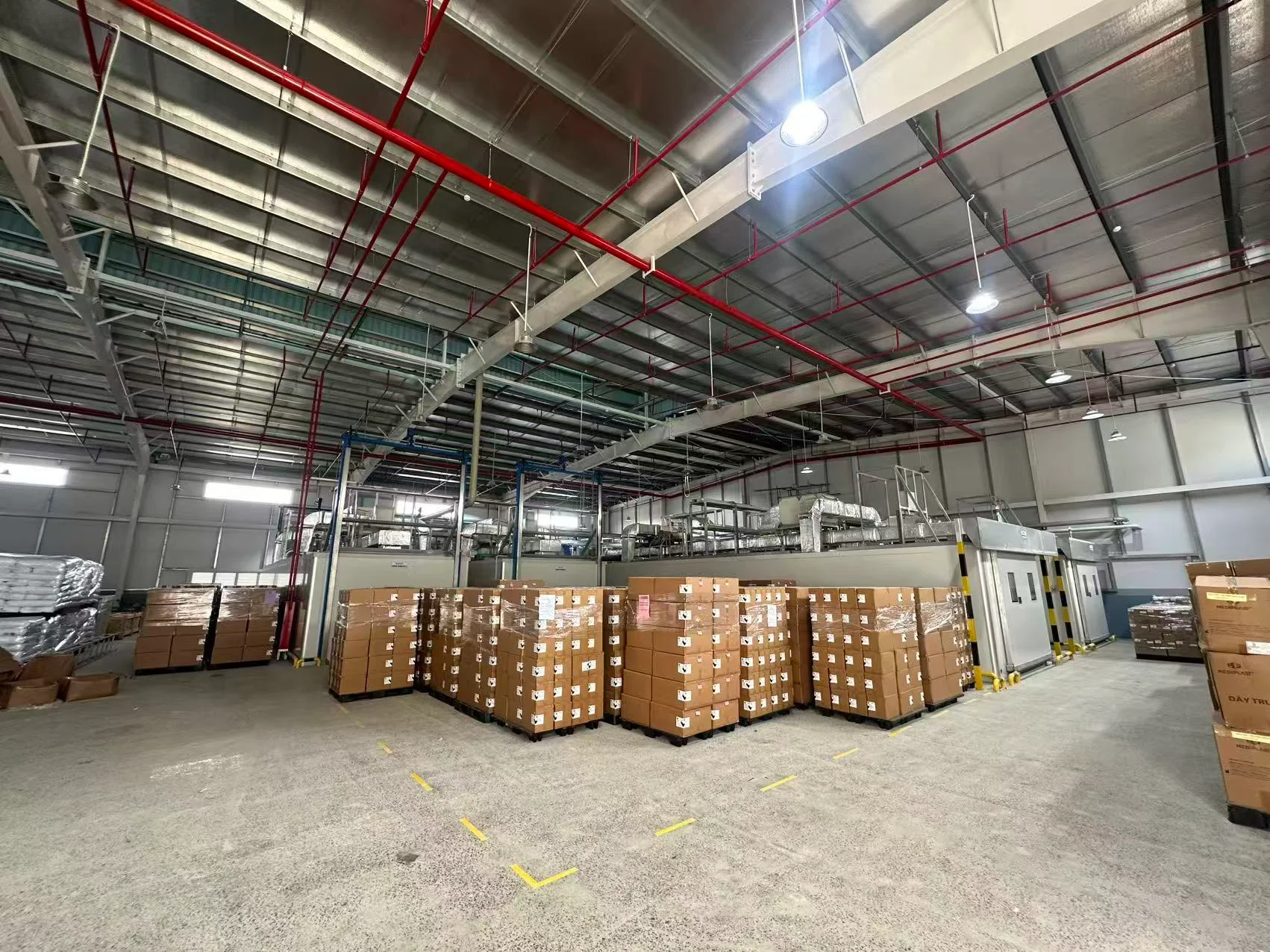
EO Monitoring Sensors

Integrated Humidity and EO Concentration Monitoring Systems.

EO Concentration (Spectroscopy & GC)
Accuracy and precision must be documented. IR Spectroscopy (Infrared absorption) or Gas Chromatography (GC) are the standard methods. External sampling lines must utilize Heat Tracing to prevent condensation.

2. Sterile Release of Products (Chapter 11)
2.1 Criteria for Parametric Release
Routine sterile release is based solely on physical processing parameters meeting established specifications during validation. Unlike traditional methods, it does not rely on Biological Indicator (BI) testing results. A documented review by authorized personnel is mandatory.
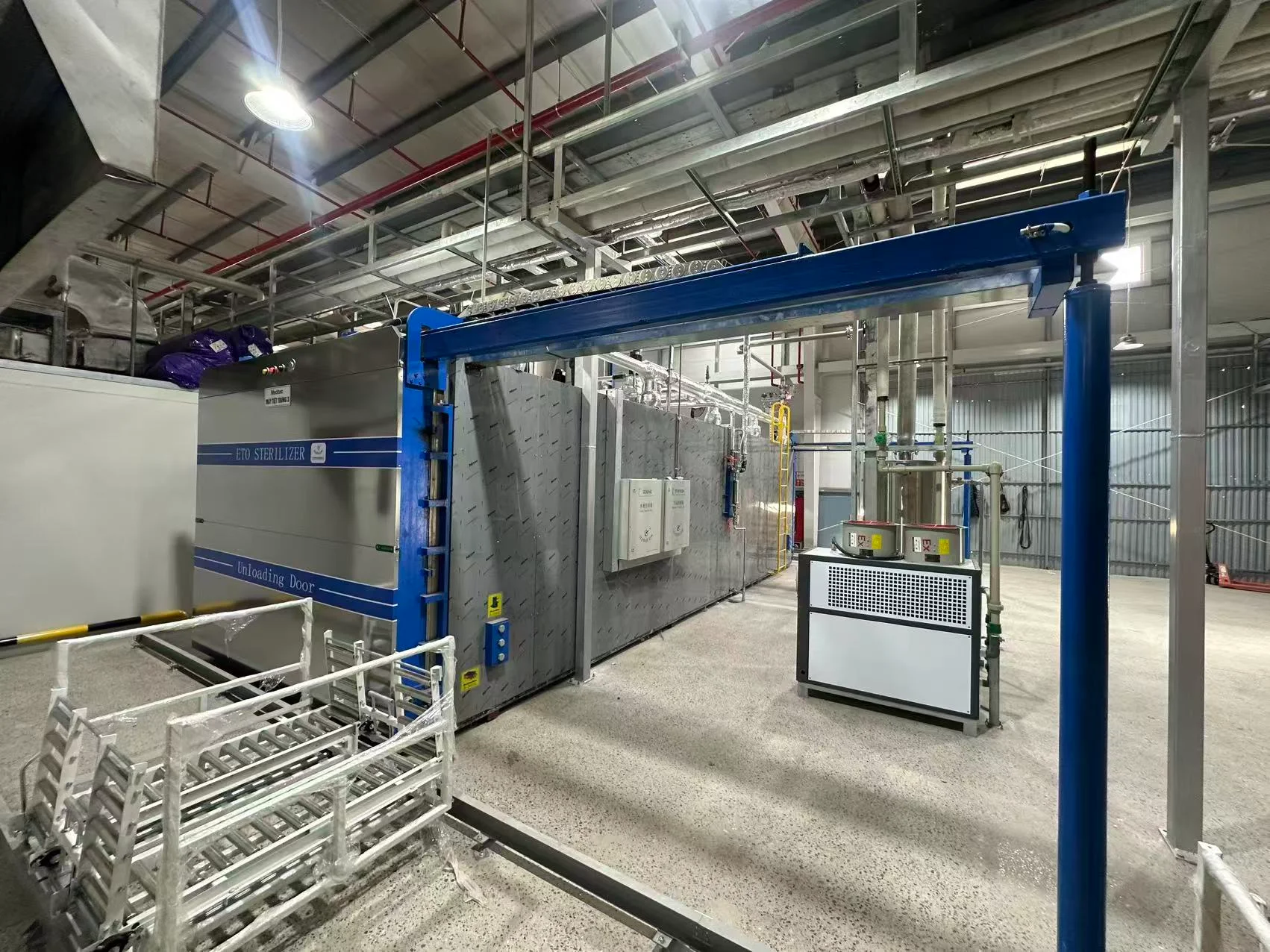
Data Recording and Control System

Documented Review and Physical Parameter Control for Batch Release.

2.2 Sensor Integrity and Accuracy
If control or monitoring sensors fail to meet specifications, or if an investigation cannot confirm the accuracy of chamber readings, the load must be considered non-compliant.

3. Deviations and Investigations

3.1 Handling Out-of-Specification (OOS) Data
When parameters exceed limits, an investigation must determine the root cause. Products must be quarantined until a safety assessment is completed.
Load Characteristics: If EO or humidity data is OOS while controls are normal, evaluate the loading pattern. Differences in absorption compared to the initial PQ load may be the cause.
3.2 Corrective Actions and Re-release
If a sensor fails, the process may temporarily revert to Biological Indicator release during repairs. Parametric release can be resumed only after equipment repair and re-calibration.
Maintenance and Calibration

Calibration and Maintenance Ensuring Sensor Precision for Continuous Parametric Release.

Critical Note: A process that fails parametric release specifications should not be released based on successful BI results. Furthermore, parametric release cannot be used to override a failed BI test.

Frequently asked questions

Which parameters must be monitored continuously for parametric release?

Airflow in the preconditioning, sterilization and aeration chambers, direct humidity during treatment, EO concentration at every required interval of exposure, and at least two independent temperature points representing the chamber state.

How are humidity and EO concentration measured directly?

Humidity by capacitance film for relative humidity or spectroscopy for absolute humidity, with sensors calibrated against saturated salt solutions. EO concentration by infrared spectroscopy or gas chromatography, using heat-traced sampling lines to prevent condensation.

Can a batch be released without biological indicators?

Under parametric release, yes — release rests on the physical parameters meeting their validated specifications, not on BI results. A documented review by authorised personnel is still mandatory before the batch is released.

What happens when a cycle deviates from its specification?

It cannot be released on the strength of a passing BI. A process that fails its parametric specifications must be investigated and dispositioned; parametric release can only resume after repair and re-calibration of the equipment.

Which standards govern parametric release?

GB/Z 44877-2024 and GB 18279-2023 for the Chinese market, which set the monitoring, sensor calibration and documented-review requirements the equipment has to meet.

Scroll to Top