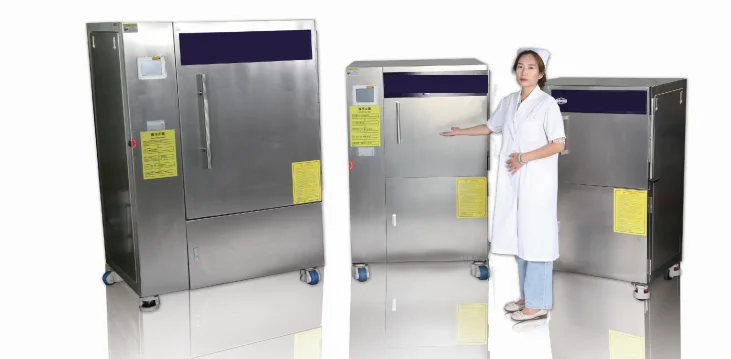
eto sterilization technologies vs others: Advantages and Disadvantages
Sterilization is a critical process in infection control, ensuring that medical instruments and devices are free from viable microorganisms. Understanding the various methods available, along with their respective benefits and drawbacks, is essential for healthcare professionals to make informed decisions.
1. Steam Sterilization (Autoclaving)
优点:
- Effectiveness: Highly effective against all types of microorganisms, including spores.
- Speed: Short cycle times lead to rapid processing of instruments.
- Environmentally Friendly: Utilizes water and heat, with no harmful residues left behind.
- Cost-Effective: Generally lower operational costs than other methods.
缺点:
- Limited Use for Heat-Sensitive Items: Not suitable for certain materials that cannot withstand high temperatures.
- Risk of Damage: May damage some delicate instruments if not monitored correctly.
- Moisture Issues: Can leave instruments wet, which may lead to rusting or corrosion.
2. Ethylene Oxide (ETO) sterilization technologies
优点:
- 多功能性: Suitable for heat-sensitive and moisture-sensitive items, including complex devices.
- Excellent Penetration: Effectively penetrates packaging materials and device lumens, ensuring thorough sterilization.
- Minimal Risk of Damage: Less likely to cause thermal damage compared to steam sterilization.
缺点:
- Long Cycle Times: Requires extended processing and aeration times.
- Toxicity: ETO is toxic and a potential carcinogen, necessitating careful handling and monitoring
3. Hydrogen Peroxide Gas Plasma
优点:
- Low Temperature: Effective for heat-sensitive instruments, operating at lower temperatures.
- Rapid Cycle Times: Typically shorter sterilization cycles compared to ETO.
- No Toxic Residue: Leaves no harmful residuals post-sterilization, making it environmentally friendly.
缺点:
- Material Limitations: Certain materials, such as cellulose and liquids, cannot be processed.
- Equipment Compatibility: Some complex instruments with narrow lumens may not be compatible with this method.
- Requires Specific Packaging: Necessitates the use of synthetic materials for effective sterilization.
4. Chemical Sterilization (e.g., Peracetic Acid)
优点:
- Quick Processing: Fast cycle times, typically within 30-45 minutes.
- Effective Against a Broad Range of Microorganisms: Good efficacy for various pathogens, including spores.
- Environmental Benefits: Produces environmentally friendly by-products.
缺点:
- Material Compatibility: May not be suitable for all instrument materials, particularly delicate surfaces.
- Limited Use: Primarily effective for immerseable instruments only.
- Safety Hazards: Requires caution due to potential skin and eye irritation.
如果您想了解更多有关环氧乙烷灭菌的信息
电子邮件:hayley@hzbocon.com
办公室地址:浙江省杭州市下沙财通中心1202 工厂地址:浙江省嘉兴市嘉善县罗星同济未来邨6幢厂房