Ukuhambisana kwamasistimu okuvimbela inzalo anezinqubo zokuvala inzalo
Ekukhetheni izinto ezisetshenziswayo zamasistimu okuvimbela inzalo kumishini yezokwelapha, ukuqinisekisa a Izinga Lokuqinisekisa Ukuzala (SAL) lika-$10^{-6}$ kubaluleke kakhulu. Leli thuba libonisa ukuthi kunethuba elingaphansi noma elilingana nethuba elilodwa esigidini sokuthi into ihlale ingcolile ngemva kokuvalwa inzalo kwetheminali.
Izici Ezibalulekile Zokukhetha Izinto
Ngokwesiqondiso se-SBA, izici eziyishumi ezibalulekile kufanele zihlolwe ukuze kugcinwe umgoqo we-microbial kuwo wonke umjikelezo wokuphila wedivayisi:
- Izakhiwo ze-Microbial barrier
- I-Porosity & Izici zomzimba/zekhemikhali
- Umswakama, Igesi, nezithiyo zokukhanya
- Ukuhambisana nedivayisi
- I-Biocompatibility & I-Toxicology
- Ukuphrinta & Amasistimu wokulebula
- Isitoreji & Izimo zokuthutha
- Izindlela zokupakisha (ezivaliwe, ezigoqiwe, eziqoshiwe)
- Ezemvelo & Izici zokugaya kabusha
Ukuhlaziywa Kwezindlela Zokuvala Inzalo
| Indlela | Indlela | Ukulinganiselwa |
|---|---|---|
| Ukushisa (Isiphunga/Komile) | Amaprotheni denaturation/oxidation | Unolaka; ubuningi obungu-127°C kwabaningi abangalukiwe |
| Imisebe (Gamma/E-Beam) | Ukulimala kwe-ionizing kwe-DNA | Kungabangela ukufiphala kwe-polymer noma ukuguquguquka kombala |
| I-Oxidative (VHP/Plasma) | I-oxidation ebusweni | Ukungena kahle; akuhambisani ne-cellulose/iphepha |
| I-Ethylene oxide (ETO) | I-alkylation yamaprotheni | Isebenza kahle kakhulu emithwalweni eyinkimbinkimbi, enezimbotshana |
Kungani i-Ethylene Oxide (ETO) iyi-Industry Standard
I-Ethylene Oxide (EO/ETO) iyikhemikhali ekhethwayo yezinto ezizwela amazinga okushisa angaphezu kuka-60°C noma amazinga aphezulu omswakamo. Izinzuzo ezibalulekile zifaka:
- Ukucubungula izinga lokushisa eliphansi: Ngokuvamile kwenziwa phakathi kuka-30°C no-60°C, kulondolozwa ubuqotho bamapulasitiki athambile nezinto ze-elekthronikhi.
- Ukungena Okuphezulu: Igesi ye-ETO ihamba phambili ekungeneni kwezinto ezimbotshana njengephepha lebanga lezokwelapha nezinto ezingezona ezilukiwe ze-polyolefin (isb., iTyvek).
- Ukuphepha Kwezinto: Ngokungafani nemisebe, i-ETO ayibangeli i-polymer chain scission noma “ukuguga” wempahla yokupakisha phakathi nomjikelezo.
- Ukusebenza Okuqinisekisiwe: Ibulala ngempumelelo ama-microorganisms kanye nezinhlamvu ngokuphazamisa imetabolism evamile kanye nezinqubo zokuzala (alkylation).
Qaphela: Ukuze kusetshenziswe inzalo esebenzayo ye-ETO, ukusetshenziswa kwezinto ezivimbelayo ezimbotshana kubalulekile ukuze kuvunyelwe ukushintshaniswa kwegesi kanye nokungenisa umoya ngemva komjikelezo.
Ukuthuthukisa Ukugeleza Kokusebenza Kwakho Kwe-ETO Sterilization
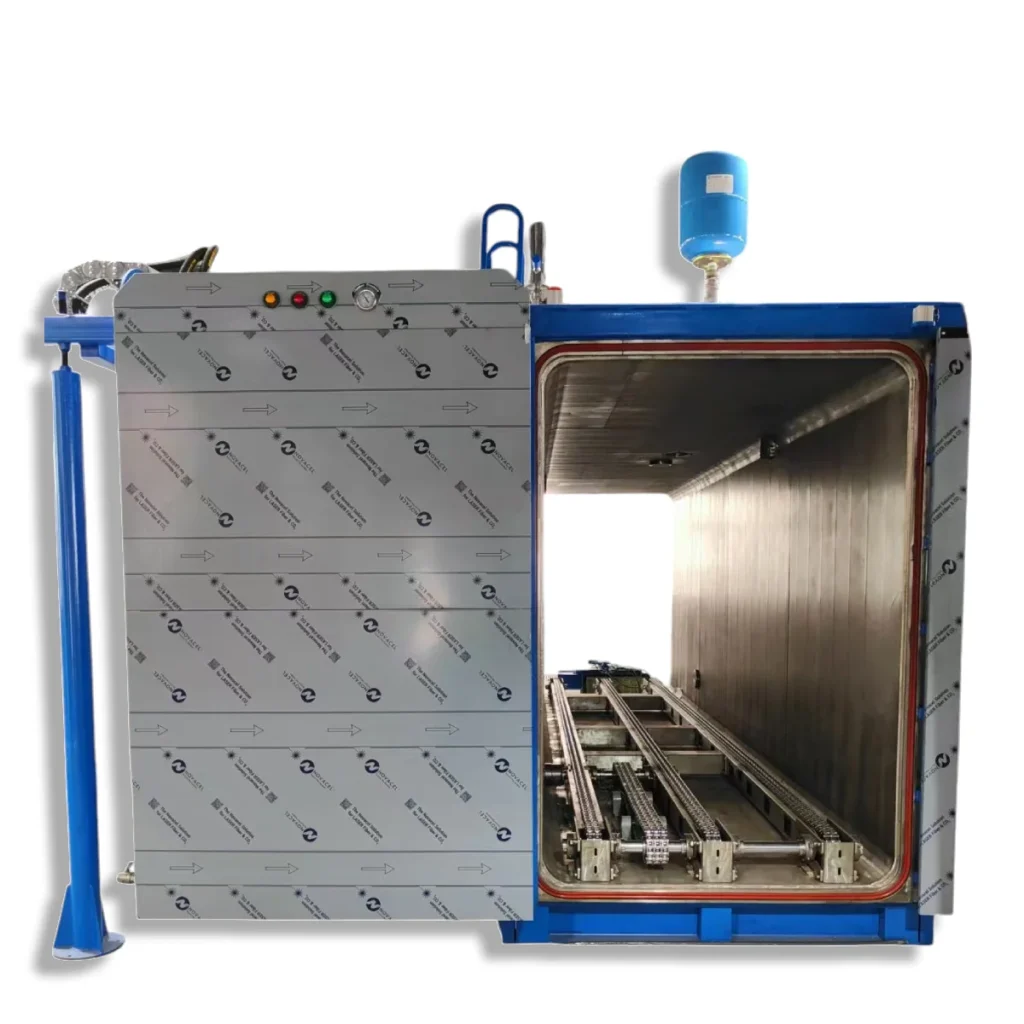
Understanding the interaction between your sterile barrier and the gaseous sterilant is the first step. The second step is utilizing high-precision hardware that can manage gas concentration (200-800 mg/L) and humidity (>30%) with absolute consistency.
Buka i-BOCO Industrial ETO Sterilizer SolutionsIzithenjwa: Ngokusekelwe ku-SBA Guidance Document – Ukuhambisana kwezinto ezisetshenziselwa iSterile Barrier Systems nezinqubo zokuvala inzalo.