Rilaxx Parametriku u Protokolli ta' Rilaxx ta' Prodott Sterili
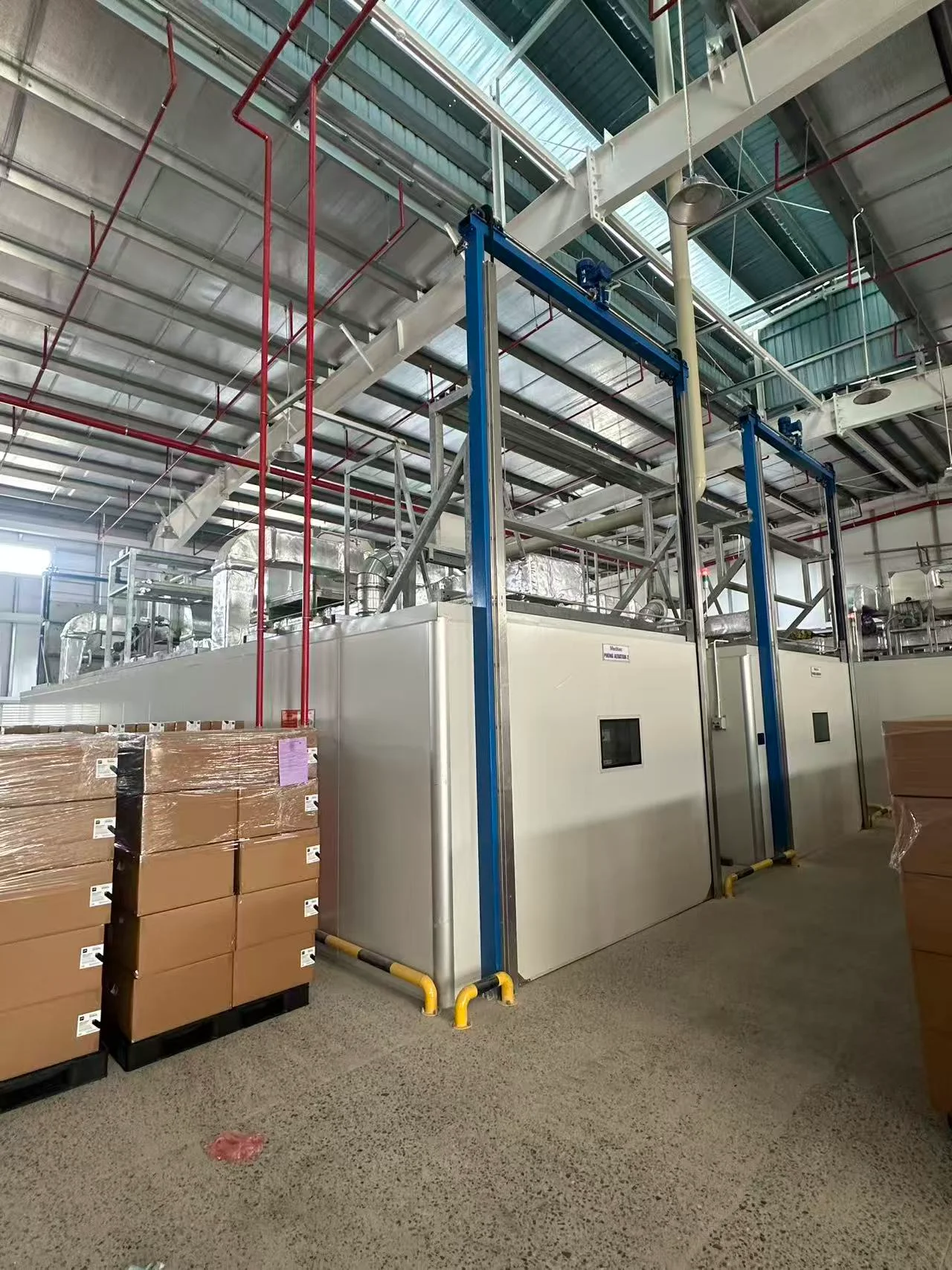
Kamra ta 'Sterilizzazzjoni EO ta' preċiżjoni għolja għal Konformità tar-Rilaxx Parametriku.
1. Kapaċitajiet ta' Monitoraġġ għal Rilaxx Parametriku
Skond GB/Z 44877-2024 u GB 18279-2023, tagħmir użat għar-rilaxx parametriku għandu jaqbeż il-kapaċitajiet ta 'monitoraġġ standard. Dan jinkludi:
- Monitoraġġ tal-fluss tal-arja: Installazzjoni obbligatorja ta 'apparati taċ-ċirkolazzjoni ta' l-arja u anemometri f'kmamar ta 'pre-kondizzjonament, sterilizzazzjoni u arjazzjoni.
- Umdità Diretta: Kejl f'ħin reali matul il-fażi tat-trattament.
- Konċentrazzjoni EO: Kejl dirett fl-intervalli kollha meħtieġa waqt l-espożizzjoni.
- Punti ta' Temperatura Doppju: Mill-inqas żewġ postijiet tas-sensuri indipendenti li jirrappreżentaw l-istat tal-kamra.
1.1 Teknoloġiji tas-Sensor & Kalibrazzjoni
Kejl tal-Umdità
Imkejla permezz Film tal-kapaċità (Umdità Relattiva) jew Spettroskopija (Umdità Assoluta). Is-sensuri għandhom jiġu kalibrati bl-użu ta' soluzzjonijiet ta' melħ saturati u protetti minn drift indott mill-EO permezz ta' validazzjoni frekwenti jew iżolament termali.
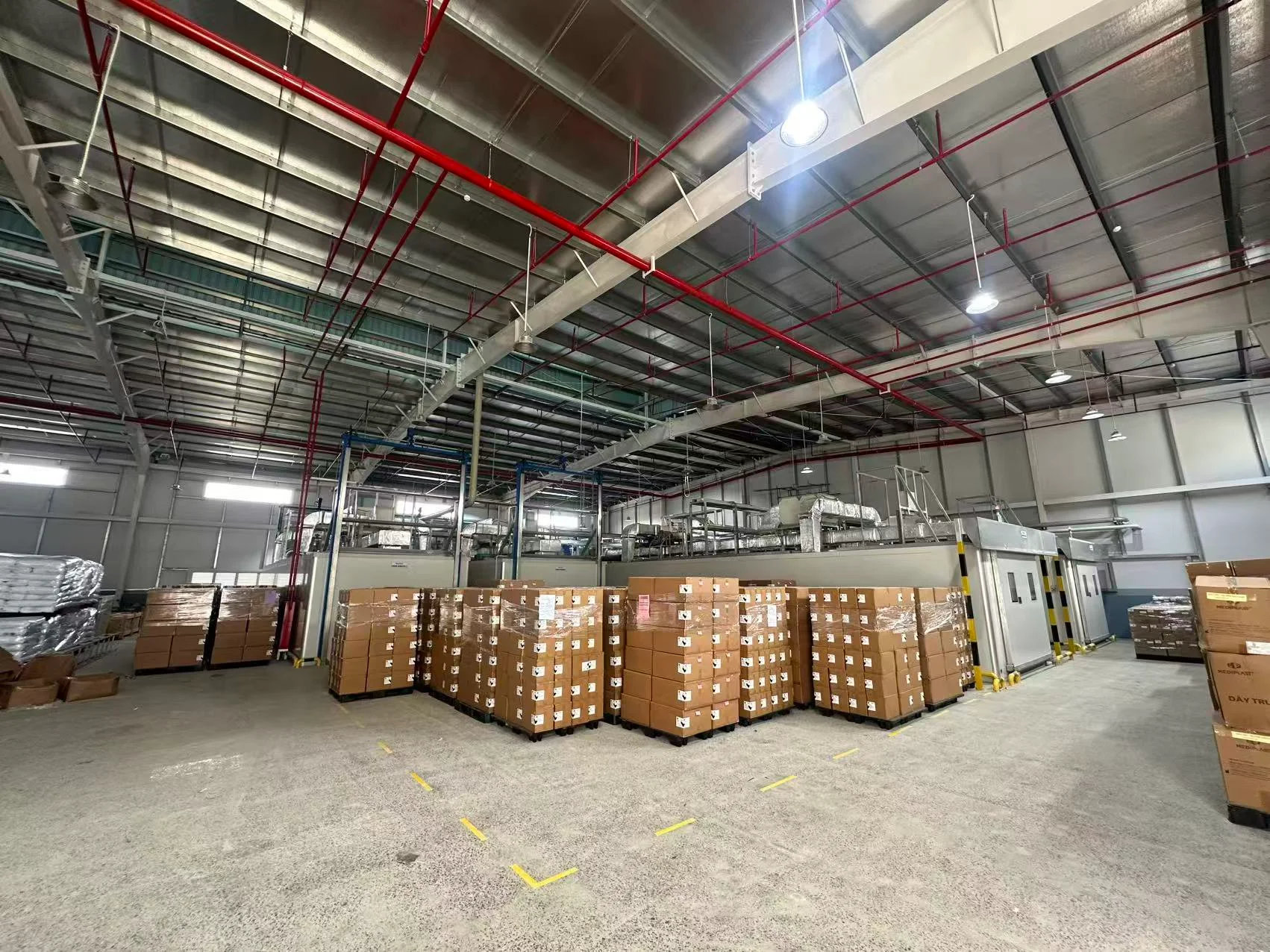
Sistemi Integrati ta 'Monitoraġġ ta' Umdità u Konċentrazzjoni EO.
Konċentrazzjoni EO (Spettroskopija & GC)
L-eżattezza u l-preċiżjoni għandhom jiġu dokumentati. Spettroskopija IR (Assorbiment infrared) jew Kromatografija tal-gass (GC) huma l-metodi standard. Linji esterni ta 'kampjunar għandhom jutilizzaw Traċċar tas-Sħana biex tevita l-kondensazzjoni.
2. Rilaxx Sterili ta' Prodotti (Kapitolu 11)
2.1 Kriterji għal Rilaxx Parametriku
Ir-rilaxx sterili ta 'rutina huwa bbażat biss fuq parametri tal-ipproċessar fiżiku jissodisfaw l-ispeċifikazzjonijiet stabbiliti matul il-validazzjoni. B'differenza mill-metodi tradizzjonali, ma tiddependix fuq ir-riżultati tal-ittestjar tal-Indikatur Bijoloġiku (BI). Reviżjoni dokumentata minn persunal awtorizzat hija obbligatorja.
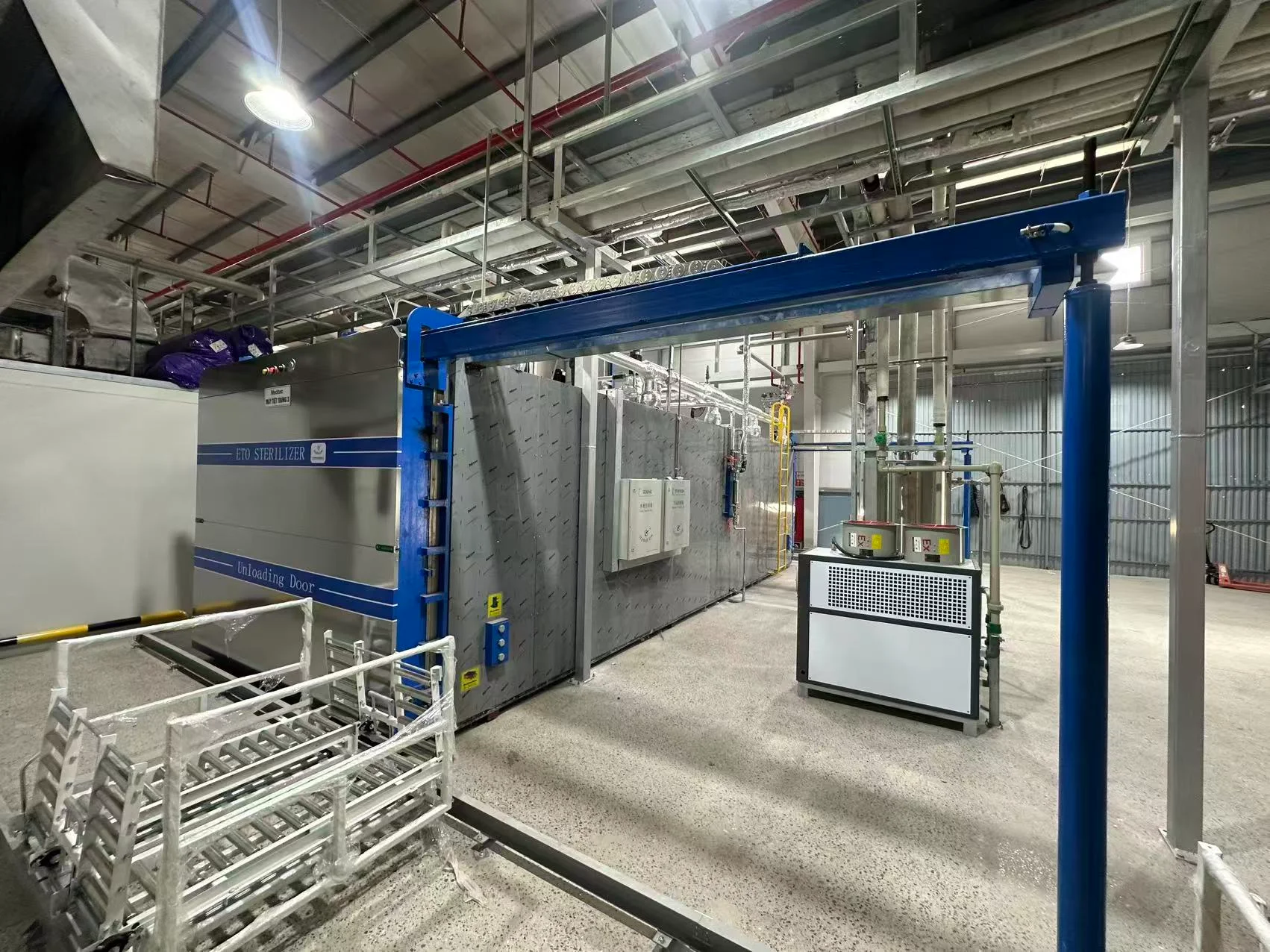
Reviżjoni Dokumentata u Kontroll tal-Parametri Fiżiċi għar-Rilaxx tal-Lott.
2.2 Integrità u Preċiżjoni tas-Sensor
Jekk is-sensuri tal-kontroll jew tal-monitoraġġ jonqsu milli jilħqu l-ispeċifikazzjonijiet, jew jekk investigazzjoni ma tistax tikkonferma l-eżattezza tal-qari tal-kamra, il- tagħbija għandha titqies mhux konformi.
3. Devjazzjonijiet u Investigazzjonijiet
3.1 Immaniġġjar tad-Data Barra mill-Ispeċifikazzjoni (OOS).
Meta l-parametri jaqbżu l-limiti, investigazzjoni għandha tiddetermina l-kawża ewlenija. Il-prodotti għandhom jitqiegħdu fil-kwarantina sakemm titlesta valutazzjoni tas-sikurezza.
Karatteristiċi tat-Tagħbija: Jekk id-dejta tal-EO jew tal-umdità hija OOS waqt li l-kontrolli huma normali, evalwa l- mudell tat-tagħbija. Differenzi fl-assorbiment meta mqabbla mat-tagħbija inizjali PQ jistgħu jkunu l-kawża.
3.2 Azzjonijiet Korrettivi u Rilaxx
Jekk jonqos sensor, il-proċess jista' temporanjament jerġa' lura għal Rilaxx ta' Indikatur Bijoloġiku waqt tiswijiet. Ir-rilaxx parametriku jista' jerġa' jibda biss wara t-tiswija u l-kalibrazzjoni mill-ġdid tat-tagħmir.
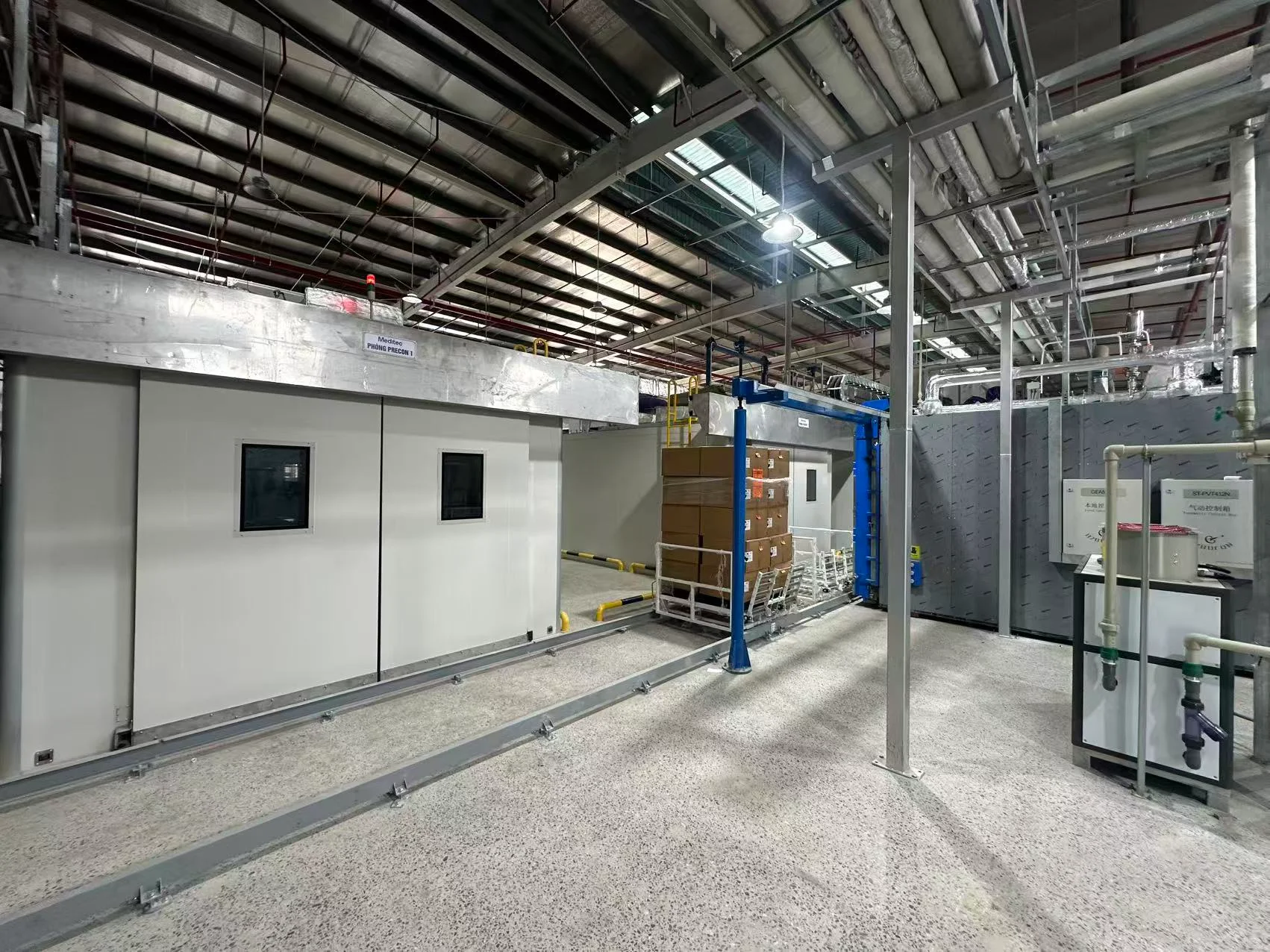
Kalibrazzjoni u Manutenzjoni Li Tiżgura Preċiżjoni tas-Sensor għal Rilaxx Parametriku Kontinwu.
Nota Kritika: Proċess li jonqos mill-ispeċifikazzjonijiet tar-rilaxx parametriku m'għandux jiġi rilaxxat ibbażat fuq riżultati ta 'suċċess BI. Barra minn hekk, ir-rilaxx parametriku ma jistax jintuża biex jegħleb test BI fallut.