پيرا ميٽرڪ رليز ۽ جراثيم ڪش پراڊڪٽ رليز پروٽوڪول
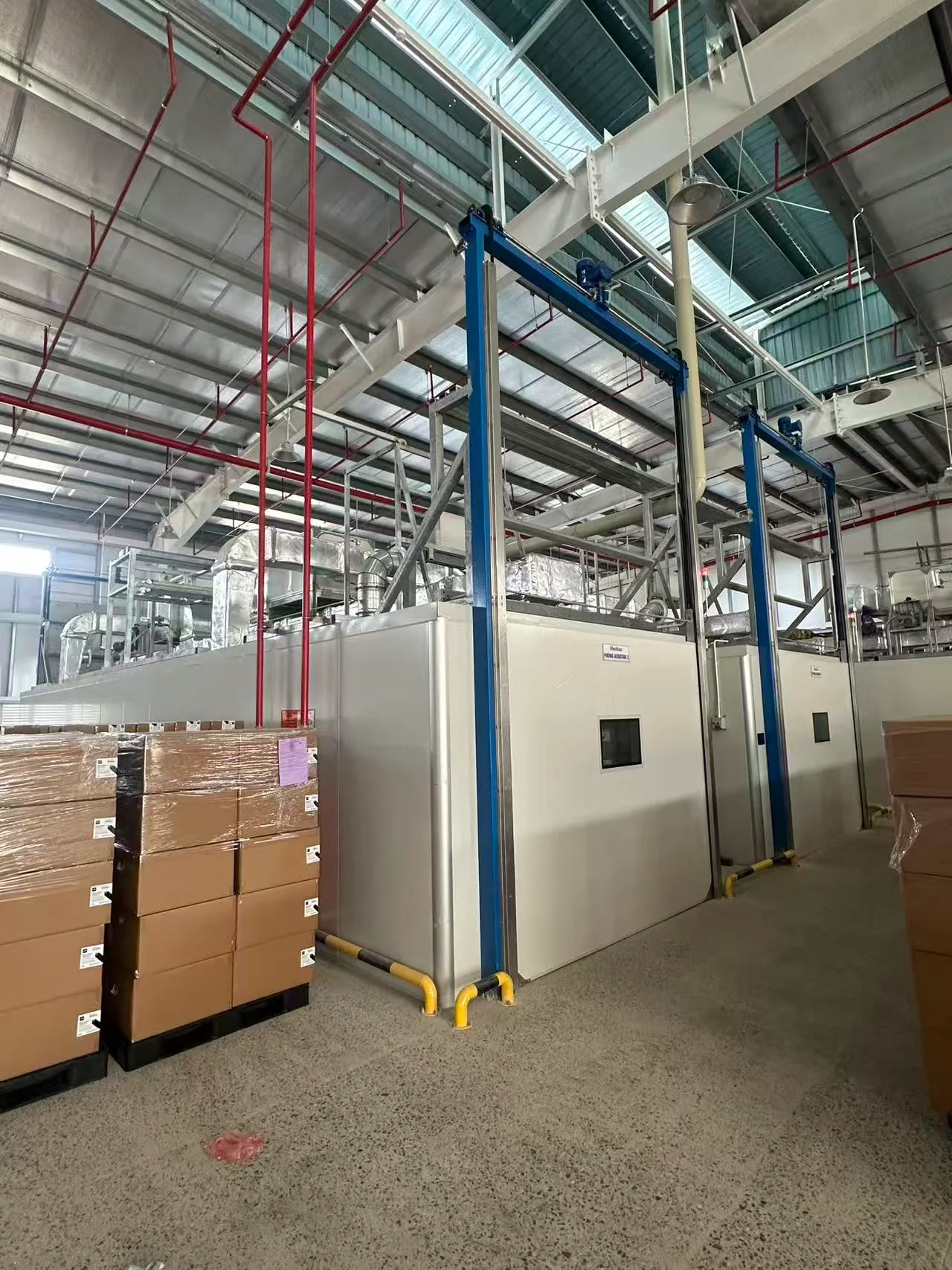
پيراميٽرڪ رليز تعميل لاءِ اعليٰ صحت واري EO اسٽريلائيزيشن چيمبر.
1. پيراميٽرڪ رليز لاءِ نگراني جي صلاحيت
- ايئر فلو مانيٽرنگ: ايئر گردش ڊوائيسز جي لازمي تنصيب ۽ پري ڪنڊيشننگ، نسبندي، ۽ ايئريشن چيمبرن ۾ anemometers.
- سڌو نمي: علاج جي مرحلي دوران حقيقي وقت جي ماپ.
- EO ڪنسنٽريشن: نمائش دوران سڀني گهربل وقفن تي سڌي ماپ.
- ٻٽي درجه حرارت پوائنٽس: گهٽ ۾ گهٽ ٻه آزاد سينسر جڳهن جي نمائندگي ڪندڙ چيمبر رياست.
1.1 سينسر ٽيڪنالاجي & حساب ڪتاب
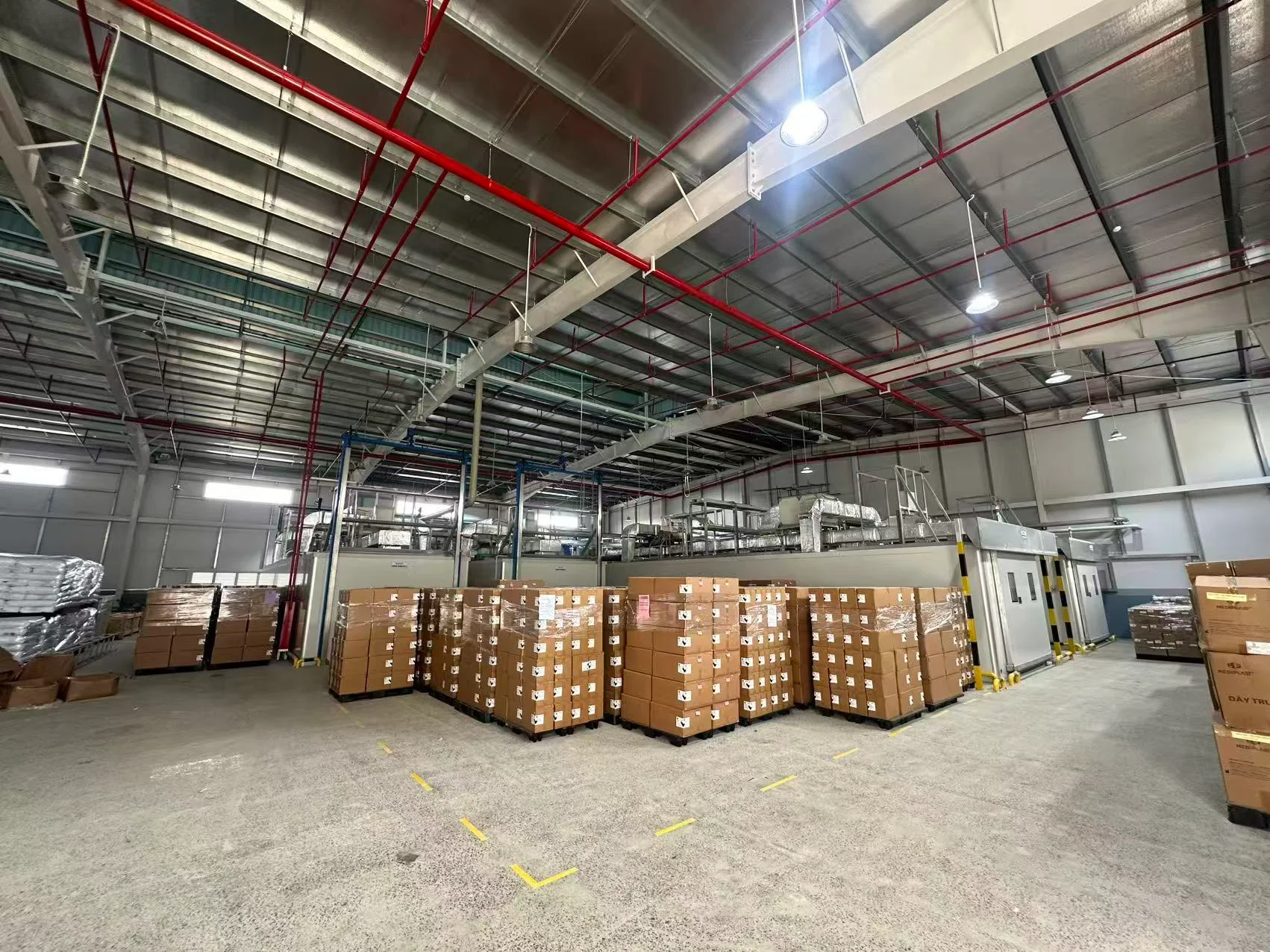
مربوط نمي ۽ EO ڪنسنٽريشن مانيٽرنگ سسٽم.
2. مصنوعات جي جراثيم رهاڻ (باب 11)
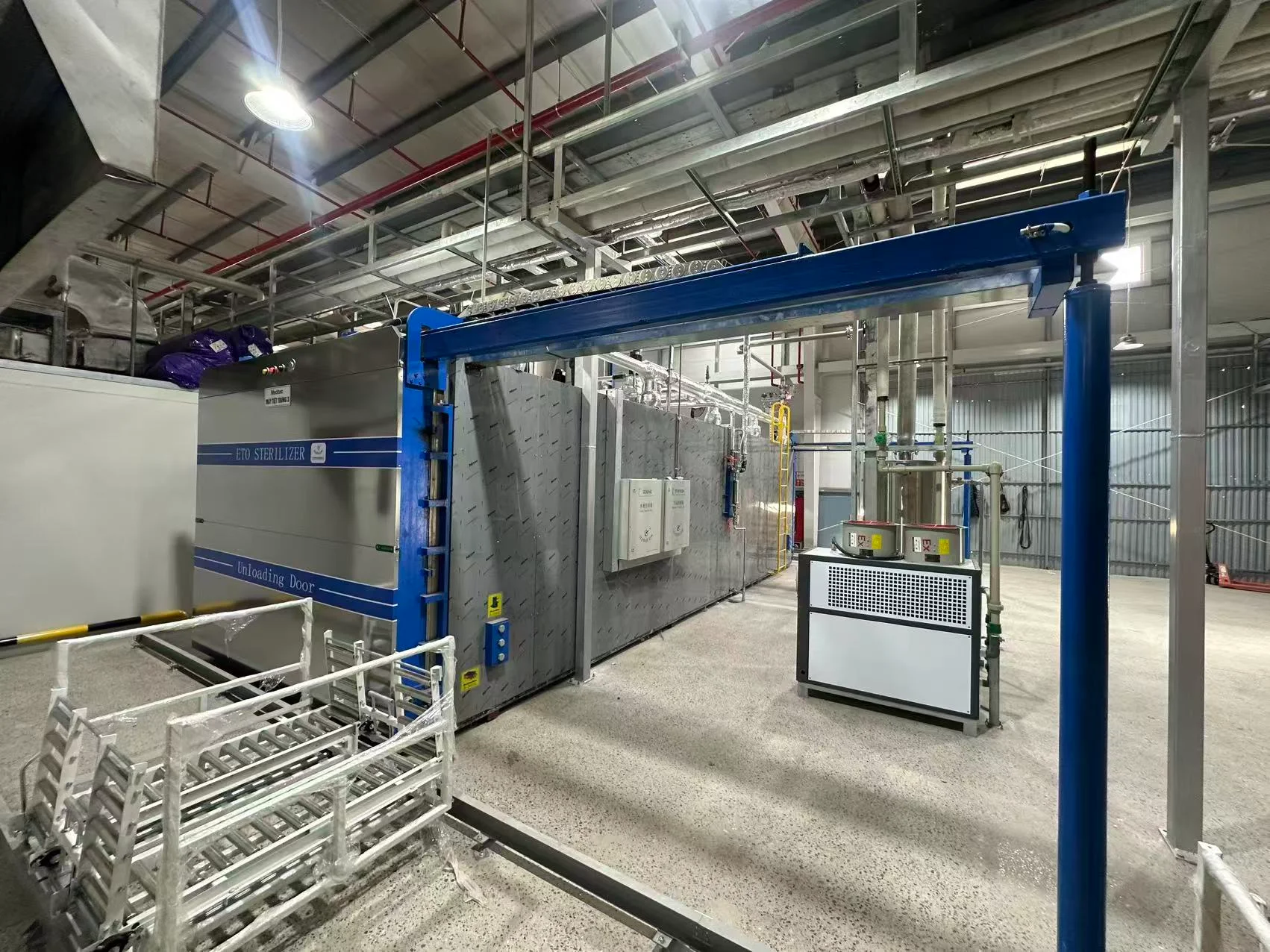
بيچ رليز لاءِ دستاويزي جائزو ۽ فزيڪل پيٽرولر ڪنٽرول.
3. انحراف ۽ تحقيق
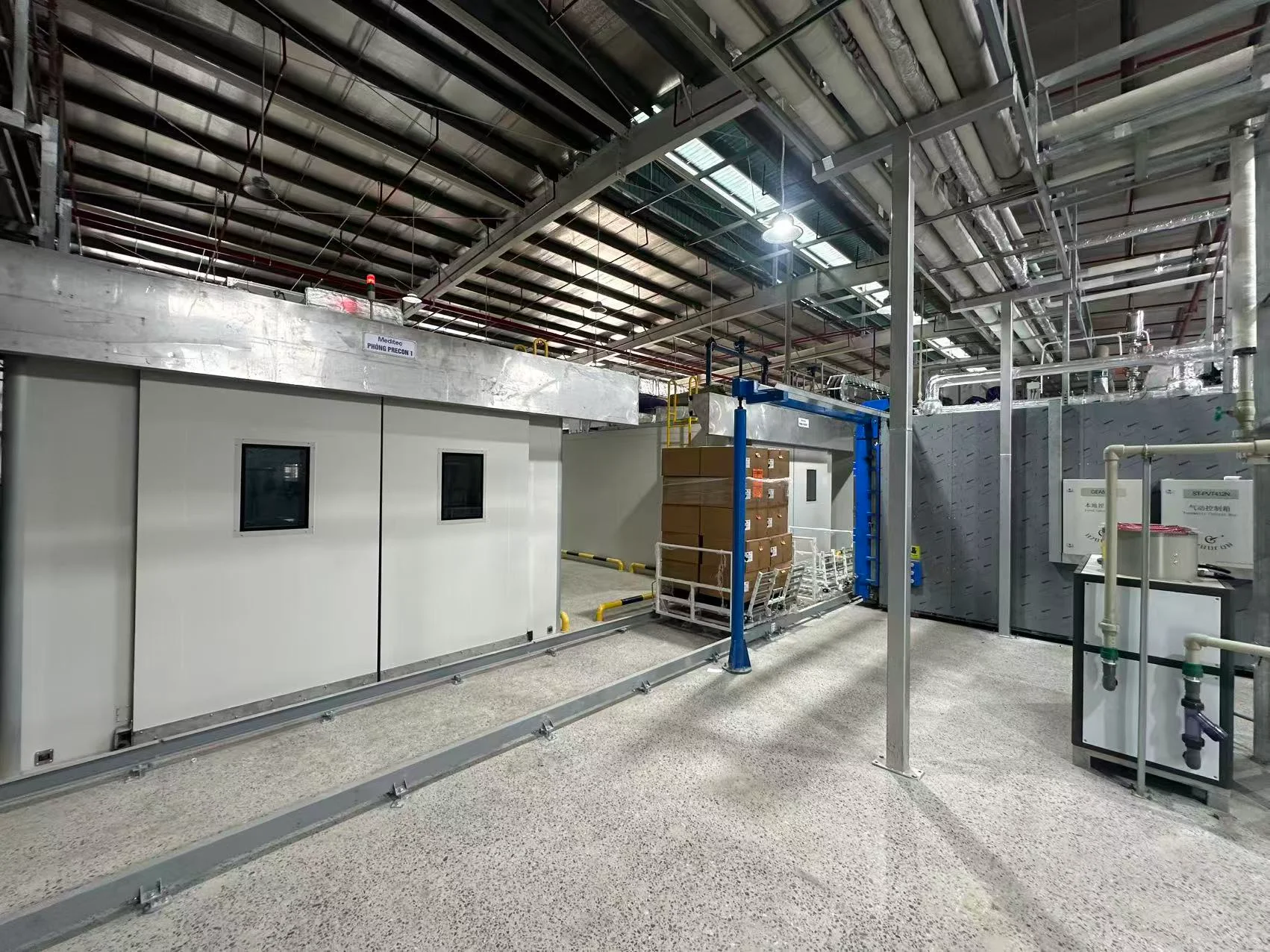
مسلسل پيراميٽرڪ رليز لاءِ سينسر جي درستگي کي يقيني بڻائڻ ۽ سار سنڀال.
Frequently asked questions
Which parameters must be monitored continuously for parametric release?
Airflow in the preconditioning, sterilization and aeration chambers, direct humidity during treatment, EO concentration at every required interval of exposure, and at least two independent temperature points representing the chamber state.
How are humidity and EO concentration measured directly?
Humidity by capacitance film for relative humidity or spectroscopy for absolute humidity, with sensors calibrated against saturated salt solutions. EO concentration by infrared spectroscopy or gas chromatography, using heat-traced sampling lines to prevent condensation.
Can a batch be released without biological indicators?
Under parametric release, yes — release rests on the physical parameters meeting their validated specifications, not on BI results. A documented review by authorised personnel is still mandatory before the batch is released.
What happens when a cycle deviates from its specification?
It cannot be released on the strength of a passing BI. A process that fails its parametric specifications must be investigated and dispositioned; parametric release can only resume after repair and re-calibration of the equipment.
Which standards govern parametric release?
GB/Z 44877-2024 and GB 18279-2023 for the Chinese market, which set the monitoring, sensor calibration and documented-review requirements the equipment has to meet.