Etilen Oksit Gazı Sterilizasyonu Nasıl Çalışır?
Etilen oksit gazı sterilizasyonunun etkinliği, mikroorganizmaların hücresel yapısını bozma yeteneğinde yatmaktadır. İşte nasıl çalıştığına dair adım adım bir döküm:
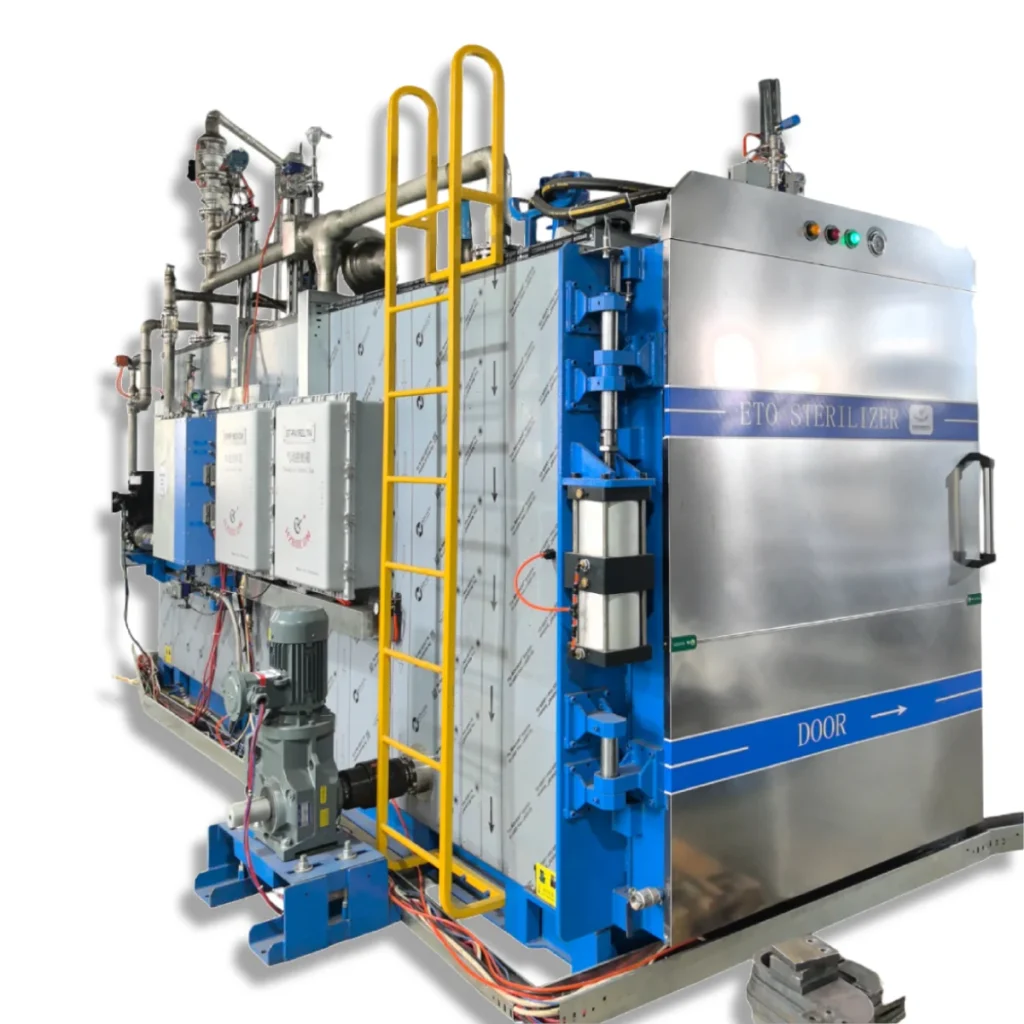
1.EO Gazının Penetrasyon
Etilen oksit gazı son derece nüfuz edicidir, yani yarıklar, gözenekler ve karmaşık cihaz tasarımları gibi erişilmesi zor alanlarda bile mikroorganizmalara kolayca ulaşabilir. Bu, tüm ürünün tamamen sterilizasyonunu sağlar.
2.Alkilasyon: Anahtar Mekanizma
Etilen oksidin mikroorganizmaları öldürmesinin birincil yolu, adı verilen kimyasal bir işlemdir.alkilasyon. EO gazı mikrobiyal hücrelerin DNA, RNA ve proteinleri ile reaksiyona girerek hücresel fonksiyonlarını bozar. Özellikle:
- DNA'ya zarar verir: EO gazı DNA'daki nükleik asitleri alkile ederek mikroorganizmaların çoğalmasını engeller.
- Proteinleri bozar: Temel proteinleri ve enzimleri değiştirerek onları işlevsiz hale getirir.
- Hücre Zarlarını Yok Eder: EO gazı hücre duvarlarını ve zarlarını bozarak hücre ölümüne yol açar.
3.Geri Dönülemez Hasar
Alkilasyon işlemi, mikroorganizmaların hücresel bileşenlerinde geri dönüşü olmayan hasara neden olur. DNA'ları, proteinleri ve zarları zarar gördüğünde mikroorganizmalar hayatta kalamaz veya çoğalamaz.
Sterilizasyon Süreci
Tam sterilizasyonu sağlamak için etilen oksit gazı sterilizasyonu dikkatle kontrol edilen bir süreci izler:
- Ön koşullandırma: Ürünler, sterilizasyona hazırlanmak için kontrollü sıcaklık ve neme maruz bırakılır.
- Vakum Aşaması: Bir vakum oluşturmak için sterilizasyon odasından hava çıkarılır ve EO gazının derinlemesine nüfuz etmesine izin verilir.
- Gaza Maruz Kalma: EO gazı odaya belirli bir konsantrasyonda verilir ve belirli bir süre boyunca (genellikle 1-6 saat) muhafaza edilir.
- Havalandırma: Sterilizasyondan sonra öğeler, kalan EO gazını gidermek için havalandırılır ve kullanımlarının güvenli olması sağlanır.
Etilen Oksit Gazı Sterilizasyonu Neden Bu Kadar Etkilidir?
- Geniş Spektrumlu Etkinlik: EO gazı bakteriler, virüsler, mantarlar ve hatta oldukça dirençli sporlar dahil her türlü mikroorganizmaya karşı etkilidir.
- Düşük Sıcaklık Prosesi: Düşük sıcaklıklarda (30-60°C) çalışır, bu da onu ısıya duyarlı malzemeler için ideal kılar.
- Derin Penetrasyon: EO gazı diğer yöntemlerin ulaşamadığı karmaşık ve gözenekli malzemeleri sterilize edebilir.
- Çok yönlülük: Plastik, kauçuk ve metaller de dahil olmak üzere çok çeşitli malzemeler için uygundur.
Etilen Oksit Gazı Sterilizasyonunun Uygulamaları
Etilen oksit gazı sterilizasyonu aşağıdakiler de dahil olmak üzere çeşitli endüstrilerde kullanılmaktadır:
- Tıbbi Cihazlar: Cerrahi aletler, kateterler, implantlar ve diğer ısıya duyarlı ekipmanlar.
- İlaçlar: Yüksek sıcaklıklara dayanamayan ilaç ve biyolojik maddelerin sterilizasyonu.
- Laboratuvar Ekipmanları: Petri kapları, pipetler ve diğer laboratuvar malzemeleri gibi araçlar.
- Endüstriyel Kullanımlar: Ambalaj malzemelerinin, kozmetiklerin ve bazı gıda ürünlerinin sterilizasyonu.
Güvenlik Hususları
Etilen oksit gazı sterilizasyonu son derece etkili olmakla birlikte, EO gazının toksik ve yanıcı yapısından dolayı sıkı güvenlik önlemleri gerektirir:
- Uygun Havalandırma: Gaz birikimini önlemek için sterilizasyon alanının iyi havalandırıldığından emin olun.
- Kişisel Koruyucu Ekipman (KKD): Operatörler maruz kalmayı en aza indirmek için eldiven, maske ve gözlük takmalıdır.
- İzleme: Güvenli sınırlar içinde kaldıklarından emin olmak için işyerindeki EO gaz seviyelerini düzenli olarak kontrol edin.
- Eğitim: Personel, EO sterilizatörleri ve acil durum prosedürlerini kullanma konusunda eğitilmelidir.
bocon eto sterilizatörü hakkında daha fazla bilgi edinmek istiyorsanız
Telefon:+8619975258603
E-posta:hayley@hzbocon.com
Yerel Site: Oda 1202, Caitong Zhongxin, Xiasha Bölgesi, Hangzhou Şehri, Zhejiang Eyaleti, Çin
Web sitesi:hzbocon.comzjbocon.com