멸균 배리어 시스템의 멸균 호환성
기술 백서
1. 소개
멸균 장벽 시스템(SBS)과 멸균 공정 간의 호환성 의료 기기 포장 디자인에서 중요한 엔지니어링 고려 사항입니다. 부적절한 재료-공정 조합으로 인해 멸균제가 부족해질 수 있습니다. 침투, 물질 분해 또는 미생물 장벽 무결성의 손실.
이 기술 백서는 다음의 재료 호환성 원칙에 중점을 두고 있습니다. 일반적으로 적용되는 멸균 기술, 특히 다음에 중점을 둡니다. 에틸렌옥사이드(EtO) 및 저온살균 공정에 사용됩니다. 복잡하고 열에 민감한 의료기기.
2. 멸균 장벽 시스템 요구 사항
- 선택된 살균제에 대한 투과성
- 열적, 물리적, 화학적 스트레스에 대한 내성
- 멸균 후 미생물 장벽 무결성
- 보관, 운송, 취급 시 안정성
3. 멸균 공정 및 SAL 고려사항
멸균 프로세스는 정의된 멸균 보증 수준(SAL)을 달성하기 위해 검증됩니다. 일반적으로 10-6 의료기기용. 이러한 수준의 보증을 달성하려면 장치 설계, 포장재, 멸균 시스템 능력.
4. 적용 가능한 멸균 기술 개요
4.1 에틸렌옥사이드(EtO) 멸균
에틸렌옥사이드 멸균은 열과 습기에 민감한 기기에 널리 적용됩니다. 일반적인 EtO 공정은 제어된 습도 조건에서 30~60°C에서 작동합니다. 복잡한 형상과 다공성 포장 시스템을 효과적으로 살균할 수 있습니다.
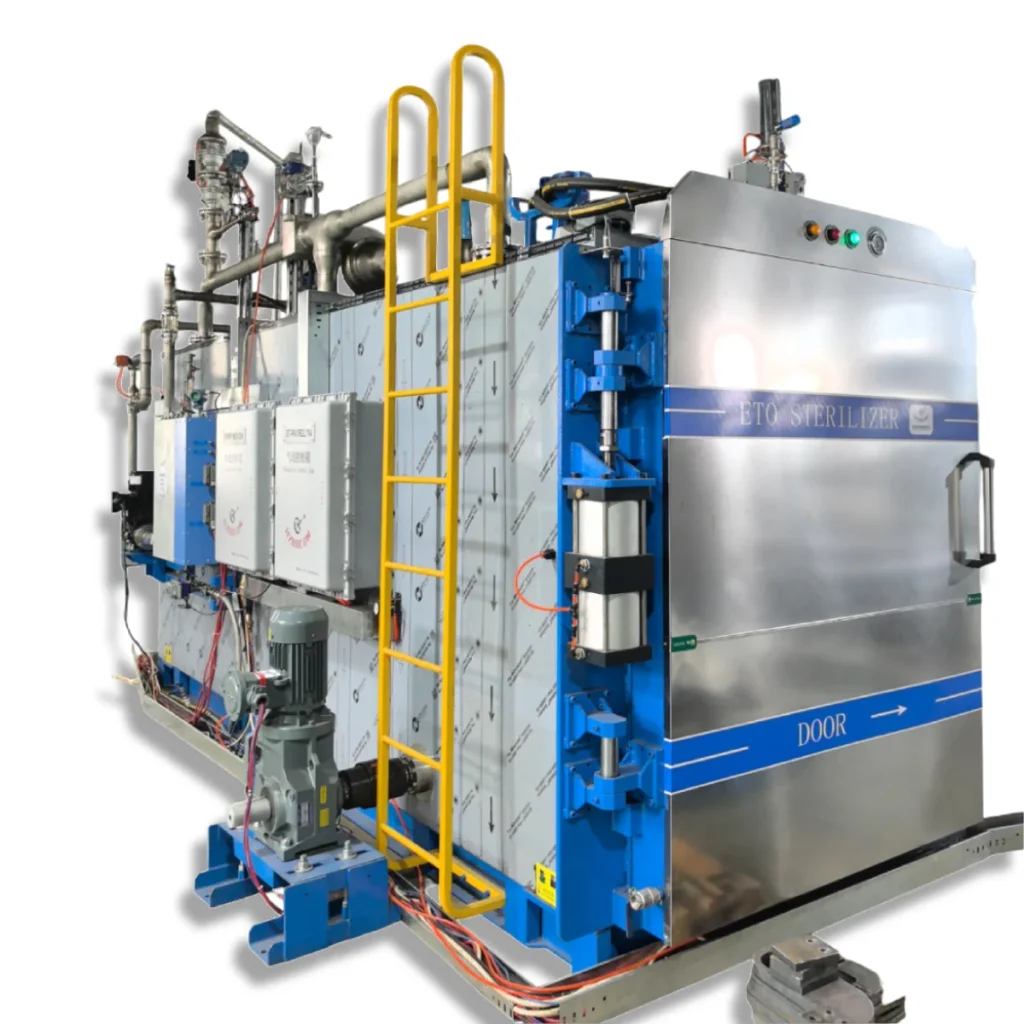
공학적 관점에서 볼 때, 산업 에틸렌옥사이드 살균 시스템 멸균 챔버를 결합한 통합 솔루션으로 설계되었습니다. 가스 순환, 습도 조절, 배출 관리.
4.2 저온 산화 멸균
기화된 과산화수소(VHP) 및 과산화수소 가스 플라즈마 시스템 빠른 사이클 시간과 낮은 작동 온도를 제공합니다. 그러나 강력한 산화 특성으로 인해 더 엄격한 제한이 적용됩니다. EtO 멸균과 호환 가능한 포장재 비교.
5. 재료 호환성 분석
5.1 가스멸균용 다공성 재료
의료용 종이와 폴리올레핀 부직포 소재가 일반적으로 사용됩니다. 제어된 EtO 멸균을 위한 멸균 장벽 시스템 다공성 및 멸균 후 미생물 차단 성능을 유지하는 능력.
5.2 필름과 복합구조
불투수성 필름과 적층 복합재료는 다음 분야에서 널리 사용됩니다. 파우치, 릴 및 블리스 터 포장. 호환성은 폴리머 구성, 라미네이트 구조, 살균으로 인한 열적, 화학적 스트레스에 대한 저항성.
6. 멸균 시스템 설계에 대한 공학적 시사점
포장재 호환성은 다음과 함께 평가되어야 합니다. 가스 분배 균일성을 포함한 멸균기 성능, 부하 구성 및 멸균 후 통기 효율성.
이는 특히 대규모 생산에 중요합니다. 산업용 EtO 멸균 장비 , 공정 견고성과 잔류물 제어가 중요한 경우.
7. 엔지니어링 역량 선언문
엔지니어링 팀 제공 EtO 멸균 시스템 패키징 호환성 고려 사항을 통합해야 합니다. 시스템 설계, 검증 전략 및 환경 제어.
다운로드
| 비교 측면 | 에틸렌옥사이드(EtO) | VHP / H?O? 혈장 | 공학적 의미 |
|---|---|---|---|
| 작동 온도 | 30~60°C | < 60°C | 둘 다 열에 민감한 장치에 적합 |
| 포장재 범위 | 넓은 | 제한된 | 대부분의 다공성 물질과 호환되는 EtO |
| 셀룰로오스와의 호환성 | 적합한 | 적합하지 않음 | 셀룰로오스는 과산화수소와 반응합니다. |
| 침투 능력 | 높은 | 제한된 | EtO는 복잡한 하중을 보다 효과적으로 침투합니다. |
| 사이클 시간 | 긴 | 짧은 | EtO에는 통기가 필요합니다. 속도에 최적화된 VHP |
| 잔여 위험 | 통제가 필요함 | 최소한의 | EtO에는 검증된 통기가 필요합니다 |
| 로드 복잡성 | 높은 내성 | 제한된 | VHP 침투 제약 |
| 재료 품질 저하 위험 | 낮은 | 보통의 | 산화 스트레스는 폴리머에 영향을 미칩니다 |
| 일반적인 응용 분야 | 복합 의료기기 | 간단한 저질량 장치 | 설계 제약에 따른 프로세스 선택 |
| 포장 디자인 유연성 | 높은 | 제한된 | EtO는 더 넓은 재료 선택을 허용합니다. |
이 비교는 멸균 방법 선택 시 고려해야 할 점을 강조합니다. 포장재 호환성, 적재 복잡성, 잔여량 관리 주기 시간 외에도 요구 사항.