วงจรการฆ่าเชื้อ EtO แบบละเอียด
วงจรการฆ่าเชื้อของ EtO โดยทั่วไปประกอบด้วยสามขั้นตอนหลัก:
การกำหนดเงื่อนไขล่วงหน้า
ขั้นตอนนี้เตรียมห้องเพาะเลี้ยงเพื่อสร้างสภาวะที่เหมาะสมที่สุดสำหรับอุณหภูมิ ความดัน และความชื้น ขั้นแรก อากาศจะถูกถ่ายออกเพื่อเพิ่มการซึมผ่านของก๊าซ ตามด้วยการทดสอบการรั่วไหลเพื่อความปลอดภัยของบุคลากรและสิ่งแวดล้อม จากนั้นไอน้ำจะถูกฉีดเข้าไปเพื่อเพิ่มความชื้นให้กับภาระ เนื่องจาก EtO จะทำงานได้อย่างมีประสิทธิภาพเฉพาะในสภาวะที่มีความชื้นเท่านั้น ห้องเพาะเลี้ยงจะได้รับความร้อนโดยใช้อากาศร้อนหรือน้ำร้อนหมุนเวียนในเสื้อแจ็คเก็ต ซึ่งได้รับการรักษาอุณหภูมิให้สม่ำเสมอเพื่อป้องกันความผันผวน
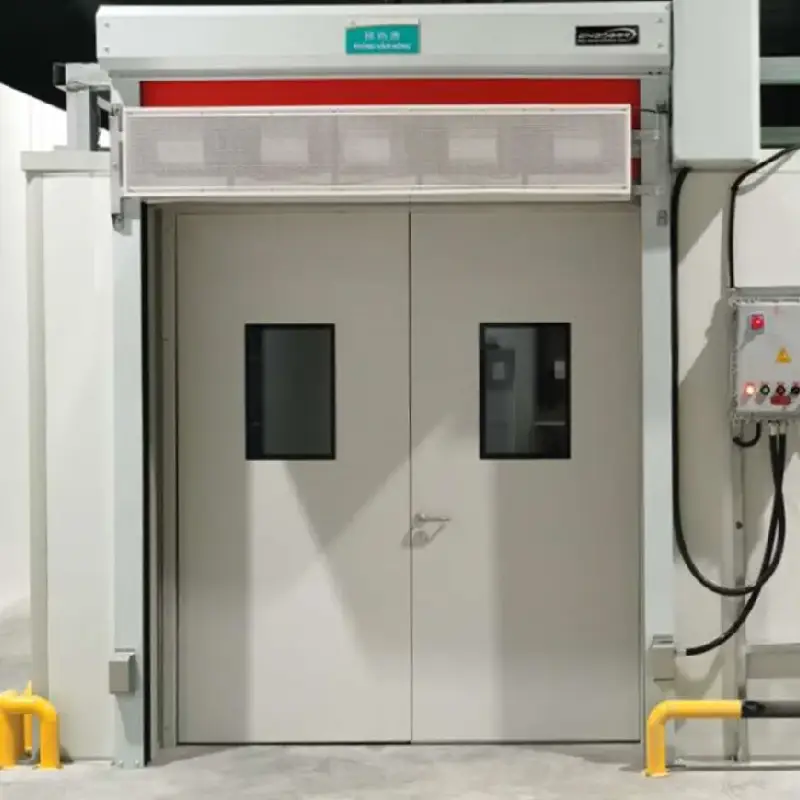
รอบการฆ่าเชื้อ EtO
ในระหว่างขั้นตอนนี้ EtO จะถูกนำเข้าไปในห้องเพาะเลี้ยงผ่านการระเหย พร้อมกับไอน้ำเพื่อรักษาความชื้น เมื่อ EtO ถึงความเข้มข้นที่ต้องการแล้ว กระบวนการฆ่าเชื้อจะเริ่มต้นขึ้น ความเข้มข้นของก๊าซที่ต่ำกว่าต้องใช้เวลาในการฆ่าเชื้อนานขึ้น เนื่องจาก EtO ถูกดูดซับโดยพลาสติกหลายชนิด การตรวจสอบและรักษาระดับความเข้มข้นที่เหมาะสมตลอดกระบวนการจึงเป็นสิ่งสำคัญ

การเติมอากาศ (ไล่ก๊าซ)
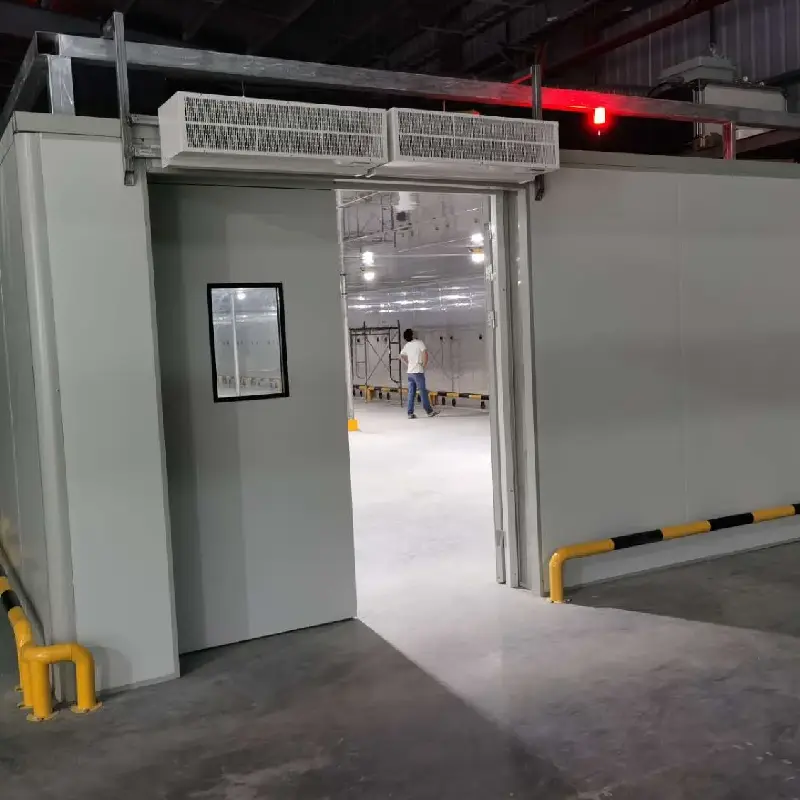
การเติมอากาศเป็นส่วนที่ยาวที่สุดและสำคัญที่สุดของวงจร วัสดุเช่นพลาสติกและยางสามารถดูดซับ EtO ได้ ซึ่งก่อให้เกิดความเสี่ยงหากใช้กับผู้ป่วย ดังนั้นการเติมอากาศอย่างกว้างขวางจึงเป็นสิ่งสำคัญในการกำจัดก๊าซที่ตกค้าง ซึ่งทำได้โดยการหมุนเวียนอากาศที่กรอง HEPA เหนือโหลดที่อุณหภูมิระหว่าง 30°C ถึง 50°C โดยทั่วไปเป็นเวลา 48 ชั่วโมง ซึ่งอาจทำให้การหมุนเวียนของเครื่องมือช้าลง จำเป็นต้องมีโครงสร้างพื้นฐานเฉพาะที่มีการระบายอากาศแบบไม่มีแก๊ส เนื่องจากการใช้ระบบระบายอากาศของโรงพยาบาลอาจก่อให้เกิดอันตรายด้านความปลอดภัย การทดสอบการรั่วไหลของก๊าซบนท่อระบายอากาศเป็นประจำมีความสำคัญต่อการลดความเสี่ยง
ข้อดีของการฆ่าเชื้อ EtO:
อุณหภูมิต่ำ
ประสิทธิภาพสูงในการทำลายจุลินทรีย์ รวมถึงสปอร์ต้านทาน (1-120m³?
ความจุห้องขนาดใหญ่ รองรับปริมาณมาก
ไม่กัดกร่อนพลาสติก โลหะ และยาง