Compatibility of Sterile Barrier Systems with Sterilization Processes
In selecting materials for sterile barrier systems for medical devices, ensuring a Sterility Assurance Level (SAL) of $10^{-6}$ is paramount. This probability indicates there is less than or equal to one chance in a million that an item remains contaminated after terminal sterilization.
Critical Material Selection Factors
According to SBA guidance, ten essential aspects must be evaluated to maintain the microbial barrier throughout the device’s lifecycle:
- Microbial barrier properties
- Porosity & Physical/chemical traits
- Moisture, Gas, and Light barriers
- Compatibility with the device
- Biocompatibility & Toxicology
- Printing & Labelling systems
- Storage & Transport conditions
- Packing methods (Sealed, Folded, Taped)
- Environmental & Recycling aspects
Analysis of Sterilization Techniques
| Method | Mechanism | Limitations |
|---|---|---|
| Heat (Steam/Dry) | Protein denaturation/oxidation | Aggressive; max 127°C for many non-wovens |
| Radiation (Gamma/E-Beam) | Ionizing DNA damage | Can cause polymer embrittlement or discoloration |
| Oxidative (VHP/Plasma) | Surface oxidation | Poor penetration; incompatible with cellulose/paper |
| Ethylene Oxide (ETO) | Alkylation of protein | Highly effective for complex, porous loads |
Why Ethylene Oxide (ETO) is the Industry Standard
Ethylene Oxide (EO/ETO) is the preferred chemical agent for objects sensitive to temperatures greater than 60°C or high moisture levels. Key advantages include:
- Low Temperature Processing: Typically carried out between 30°C and 60°C, preserving the integrity of delicate plastics and electronic components.
- Superior Penetration: ETO gas excels at penetrating porous materials like medical-grade paper and polyolefin non-woven materials (e.g., Tyvek).
- Material Safety: Unlike radiation, ETO does not cause polymer chain scission or “aging” of the packaging material during the cycle.
- Proven Efficacy: Effectively kills microorganisms and spores by interfering with normal metabolism and reproductive processes (alkylation).
Note: For effective ETO sterilization, the use of porous barrier materials is essential to allow gas exchange and post-cycle aeration.
Optimizing Your ETO Sterilization Workflow
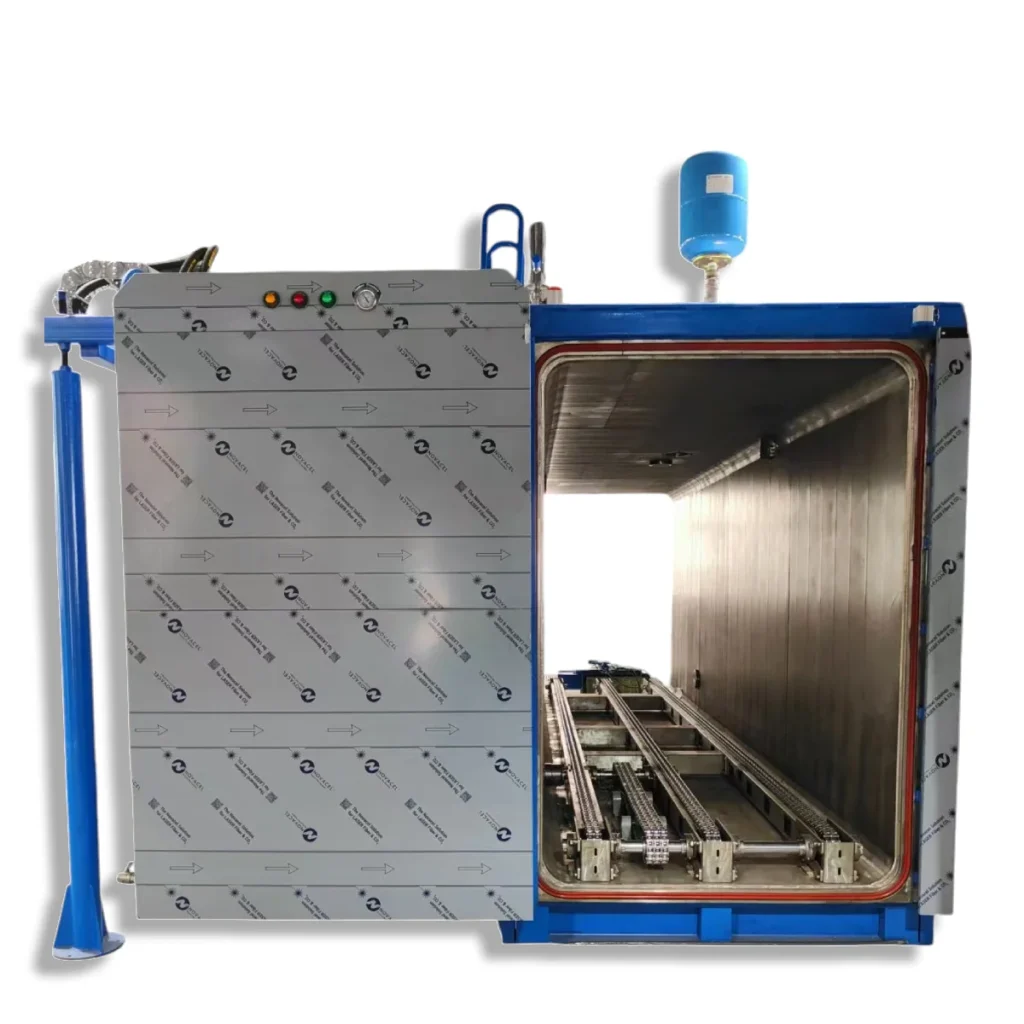
Understanding the interaction between your sterile barrier and the gaseous sterilant is the first step. The second step is utilizing high-precision hardware that can manage gas concentration (200-800 mg/L) and humidity (>30%) with absolute consistency.
View BOCO Industrial ETO Sterilizer SolutionsReferences: Based on SBA Guidance Document – Compatibility of materials used for Sterile Barrier Systems with sterilization processes.