Sterilizacijska kompatibilnost sterilnih barijernih sustava
Tehnička bijela knjiga
1. Uvod
Kompatibilnost između sustava sterilne barijere (SBS) i procesa sterilizacije kritično je inženjersko razmatranje u dizajnu pakiranja medicinskih uređaja. Neodgovarajuće kombinacije materijala i procesa mogu dovesti do nedovoljne količine sterilanta prodiranje, degradacija materijala ili gubitak integriteta mikrobne barijere.
Ova tehnička bijela knjiga usredotočuje se na načela kompatibilnosti materijala za uobičajeno primjenjivane tehnologije sterilizacije, s posebnim naglaskom na etilen oksid (EtO) i procesi sterilizacije na niskim temperaturama koji se koriste za složeni i toplinski osjetljivi medicinski uređaji.
2. Zahtjevi sustava sterilne barijere
- Propusnost za odabrano sredstvo za sterilizaciju
- Otpornost na toplinska, fizička i kemijska opterećenja
- Integritet mikrobne barijere nakon sterilizacije
- Stabilnost tijekom skladištenja, transporta i rukovanja
3. Procesi sterilizacije i SAL razmatranja
Procesi sterilizacije validirani su kako bi se postigla definirana razina osiguranja sterilnosti (SAL), obično 10-6 za medicinske uređaje. Postizanje ove razine sigurnosti zahtijeva usklađivanje između dizajna uređaja, materijale za pakiranje i sposobnost sustava sterilizacije.
4. Pregled primjenjivih tehnologija sterilizacije
4.1 Sterilizacija etilen oksidom (EtO).
Sterilizacija etilen oksidom naširoko se primjenjuje za uređaje osjetljive na toplinu i vlagu. Tipični EtO procesi rade na 30–60 °C u uvjetima kontrolirane vlažnosti, omogućavajući učinkovitu sterilizaciju složenih geometrija i poroznih sustava pakiranja.
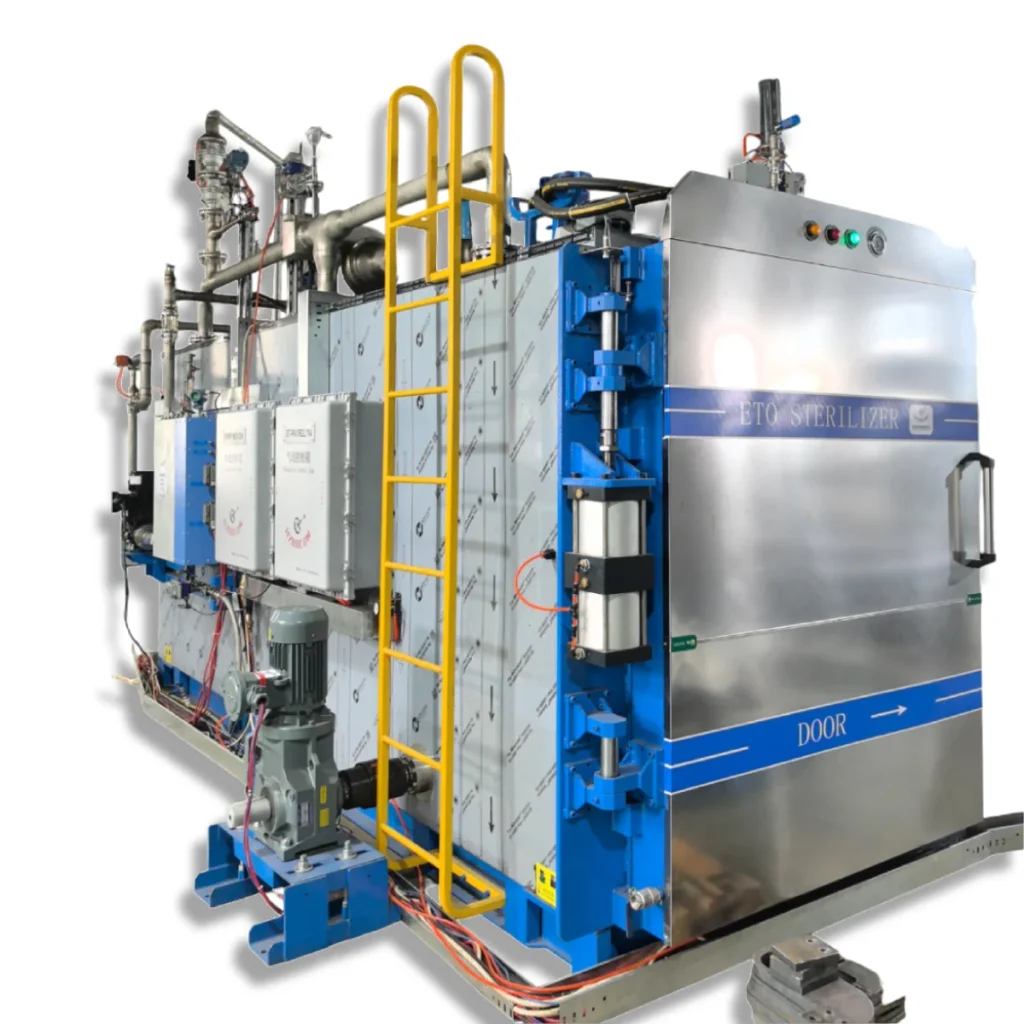
Iz inženjerske perspektive, industrijski sustavi za sterilizaciju etilen oksidom dizajnirani su kao integrirana rješenja koja kombiniraju sterilizacijske komore, cirkulacija plina, kontrola vlažnosti i upravljanje emisijama.
4.2 Oksidativna sterilizacija na niskoj temperaturi
Ispareni vodikov peroksid (VHP) i plazma sustavi plinovitog vodikovog peroksida pružaju brza vremena ciklusa i niske radne temperature. Međutim, njihova jaka oksidativna svojstva nameću stroža ograničenja na kompatibilnim materijalima za pakiranje u usporedbi sa sterilizacijom EtO.
5. Analiza kompatibilnosti materijala
5.1 Porozni materijali za sterilizaciju plinom
Obično se koriste medicinski papir i poliolefinski netkani materijali u sustavima sterilne barijere za sterilizaciju EtO zbog njihove kontrolirane poroznost i sposobnost održavanja performansi mikrobne barijere nakon sterilizacije.
5.2 Filmovi i kompozitne strukture
Nepropusni filmovi i laminirani kompozitni materijali naširoko se koriste u vrećice, koluti i blister pakiranja. Kompatibilnost ovisi o sastavu polimera, strukturi laminata, i otpornost na toplinski i kemijski stres izazvan sterilizacijom.
6. Inženjerske implikacije za dizajn sustava sterilizacije
Kompatibilnost materijala za pakiranje mora se procijeniti zajedno s performanse sterilizatora, uključujući ujednačenost distribucije plina, konfiguracija punjenja i učinkovitost prozračivanja nakon sterilizacije.
Ovo je osobito važno za upotrebu u velikoj proizvodnji industrijska oprema za sterilizaciju EtO , gdje su robusnost procesa i kontrola ostataka kritični.
7. Izjava o tehničkim sposobnostima
Inženjerski timovi isporučuju EtO sustavi sterilizacije mora integrirati razmatranja kompatibilnosti pakiranja u dizajn sustava, strategija validacije i kontrola okoliša.
preuzimanje
Preuzmite katalog proizvoda sterilizatora etilen oksida BOCON (PDF)
| Aspekt usporedbe | Etilen oksid (EtO) | VHP / H?O? Plazma | Inženjerske implikacije |
|---|---|---|---|
| Radna temperatura | 30–60 °C | < 60 °C | Oba prikladna za uređaje osjetljive na toplinu |
| Raspon materijala za pakiranje | široka | ograničeno | EtO kompatibilan s većinom poroznih materijala |
| Kompatibilnost s celulozom | Prikladno | Nije prikladno | Celuloza reagira s vodikovim peroksidom |
| Sposobnost prodiranja | visoko | ograničeno | EtO učinkovitije prodire kroz složena opterećenja |
| Vrijeme ciklusa | dugo | Kratak | EtO zahtijeva prozračivanje; VHP optimiziran za brzinu |
| Preostali rizik | Zahtijeva kontrolu | Minimalno | EtO treba potvrđenu aeraciju |
| Složenost opterećenja | Visoka tolerancija | ograničeno | VHP ograničenja prodora |
| Rizik od degradacije materijala | Niska | Umjereno | Oksidativni stres utječe na polimere |
| Tipične primjene | Složeni medicinski uređaji | Jednostavni uređaji male mase | Odabir procesa vođen ograničenjima dizajna |
| Fleksibilnost dizajna ambalaže | visoko | Ograničen | EtO omogućuje širi izbor materijala |
Ova usporedba naglašava da odabir metode sterilizacije mora biti uzet u obzir kompatibilnost materijala za pakiranje, složenost opterećenja i upravljanje ostacima zahtjevi uz vrijeme ciklusa.